
A Well-Adapted UK?
On 20th May 2026 the UK Climate Change Committee brought out its report ‘A Well-Adapted UK’, the Fourth Independent Assessment of UK Climate Risk. It is a landmark in delivery to each of the UK’s governments independent, expert analysis of the immediate impacts of climate change, and the need across the UK for far greater efforts to adapt and prepare for climate impacts.
Although the report is aimed at UK governments, it will have much relevance and usefulness well beyond the UK and in many international contexts.
The report refers the rapidly increasing climate risks as ‘not only eroding our cliffs, but also the fundamentals of our health system, our insurance sector and our children’s schooling’.
“Better cooling, flood protection and a more secure water supply. Delivering these three solutions would take a large chunk out of what we need to do.”
“Whether or not to prepare for the changing climate is now solely a political choice.”
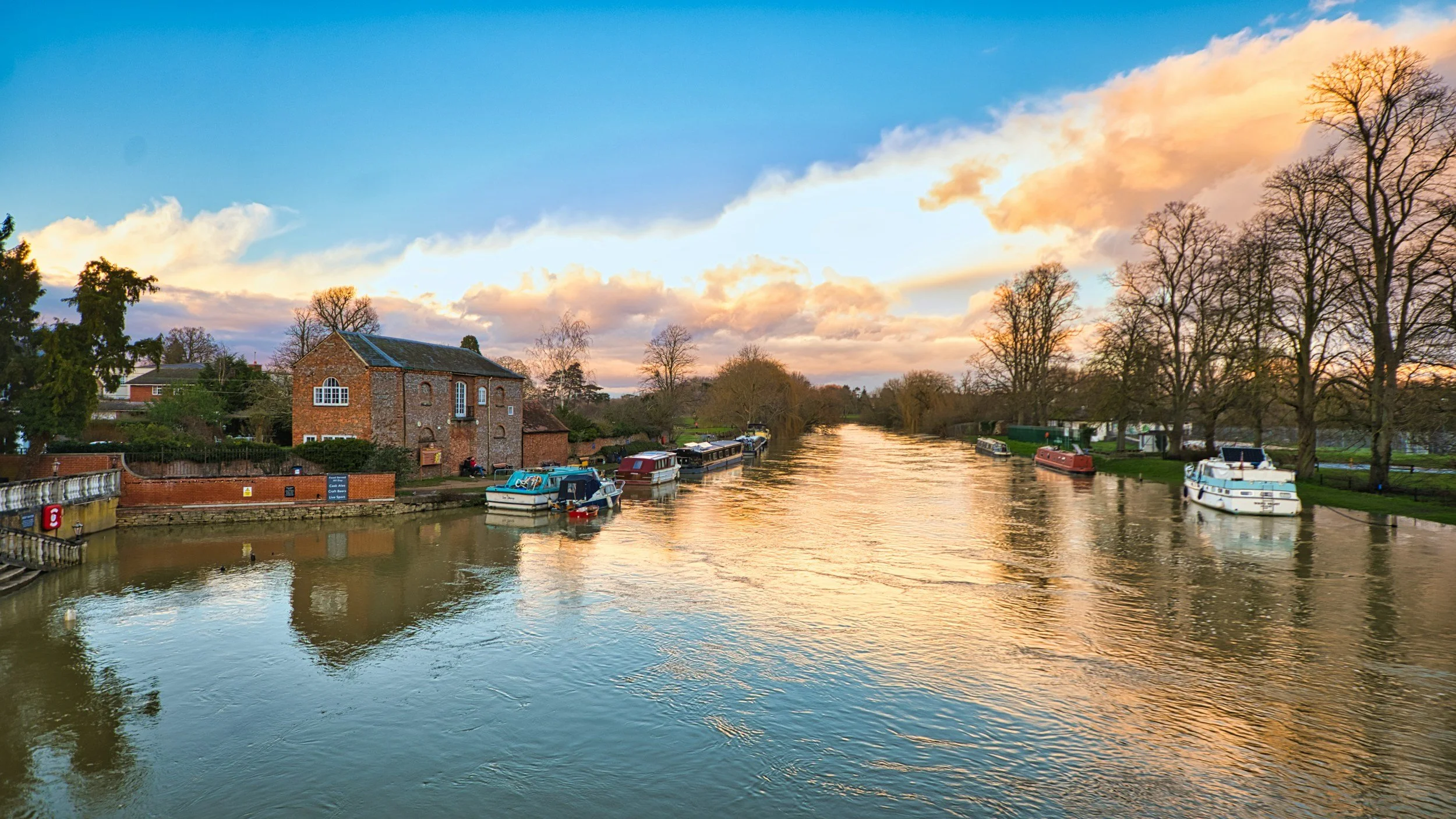
Flooding in Wallingford Lawrence Hookham Unsplash
The Committee’s report identifies key risks under an assumed 2°C temperature rise -
“Intensifying heat:
recent record hot summers (such as 2018, 2022 or 2025) will become the new normal summer – regularly stressing domestic agricultural production. Heatwaves lasting at least a week will be common – posing challenges for keeping vulnerable people sufficiently cool. In southern England, heatwaves could regularly exceed 40°C, and the hottest ones could be several degrees hotter than the record 2022 heatwave. Heatwaves hotter than 45°C could be possible.
Growing flood risk:
winter rainfall will rise with warming, meaning an average winter could be more like a wet winter today. The intensity of heavy bursts of rainfall throughout the year (not just in winter) could be around 15–60% higher than in the late 20th century – driving more risk of flash flooding and potential risks to life. Storms will have stronger extreme winds and bring more rain, and it is possible that they will be more frequent. This raises their potential to cause damage and disruption to property and infrastructure. Sea levels will be 20–45 cm higher around UK coasts than today, raising the severity and frequency of coastal flooding and coastal erosion.
Rising drought and wildfire risk:
despite bursts of increasingly heavy rain, summers will, on average, become drier. The number of days that have the potential conditions for serious wildfires could double, and the wildfire season will be longer, leading to increased exposure to the health harms from fire smoke and damages to infrastructure and buildings. Warm, dry weather will often arrive earlier in the spring and persist deeper into the autumn.”

The (then) hottest day ever in Glasgow, 2020 Euan Cameron Unsplash
The report then sets out UK climate risk, makes the case for adaptation, sets out 10 principles for successful adaptation, and analyses what it identifies as the main climate impacts, and recommended adaptation actions, for:
Waste
Digital and telecoms
Land
Sea
Food Security
Economy and Finance
National Security and international engagement
Health
Built environment and communities
Public services
Cultural Heritage
Water and Wastewater
Energy
Transport
The report proposes objectives and targets for a well adapted UK for each of these areas.
Adaptation to climate change has been something of a neglected Cinderella subject, as more attention has been given to international efforts to mitigate the worst of emissions.
With this report, the experts in adaptation at the Climate Change Committee are speaking to government, but also to civil society: saying, in effect this is our best understanding of climate change as it is happening now, and the implications of what we in society need to do about the climate change that is already happening.
Follow us on Linkedin - Bluesky - Facebook - Youtube - Substack via the links below: