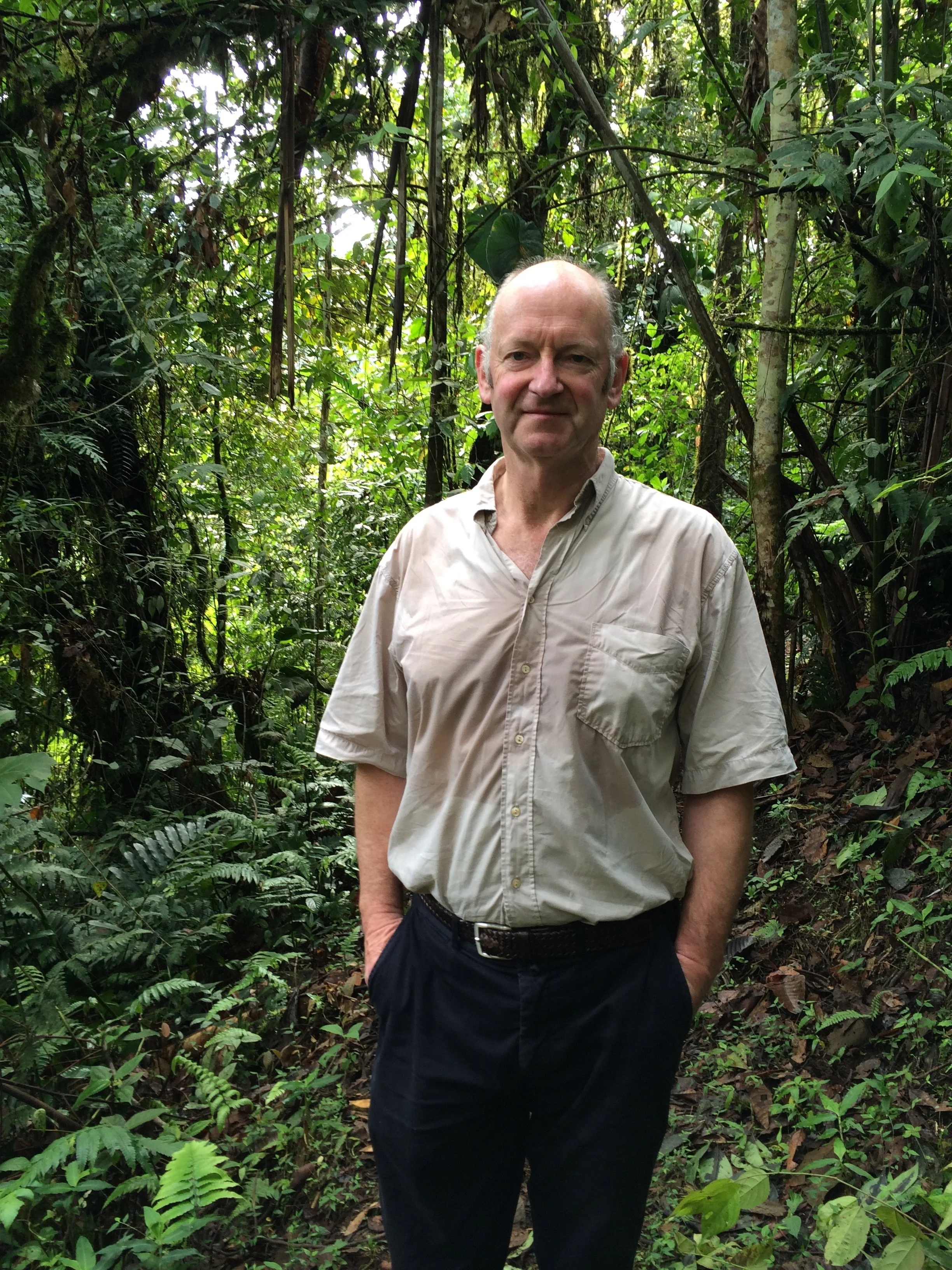
Peter Bennett
The Borrowed Earth Project was lucky to have been able to interview Peter Bennett, Founder and Director of Rainforest Concern about his phenomenal work in building up a network of internationally important reserves and conservation initiatives, and trying to understand some of the secrets of his success.
Many thanks to Peter for his time and Xavier Tobin for helping set this up.
The Borrowed Earth Project: In 2026, Rainforest Concern celebrated 33 years since its foundation in 1993. In that time you have set up and maintained reserves and ‘direct conservation’ projects in Chile, Colombia, Costa Rica, Ecuador, Brasil, India, Peru and Romania. Has your understanding of “conservation” changed in that time? Would you have different priorities establishing a reserve now to when you started?
Peter Bennett: I left my corporate career and started Rainforest Concern as I was utterly devastated by the horribly normalised damage to rainforests that I was seeing.
Deforestation is still happening, therefore conservation fundamentals are the same now as they were then. Our objectives and priorities are consistent; as per our Trust Deed, I founded Rainforest Concern to promote the protection and conservation of the flora and fauna of areas of endangered rainforest and other endangered habitats. Complementary to this we have always worked to advance the education of the public on conservation, relieve poverty and health crises for indigenous peoples and we encourage the adoption of sustainable agricultural practices.
That said, scientific progress and the increasing integration of traditional knowledge into conservation has shown us new ways to conserve habitats and protect threatened species more effectively, which does constitute changes in our understanding of conservation (even though the end goals are the same). Our ongoing work in Brazilian Amazonia with our partner Instituto Juruá is a good example of this.
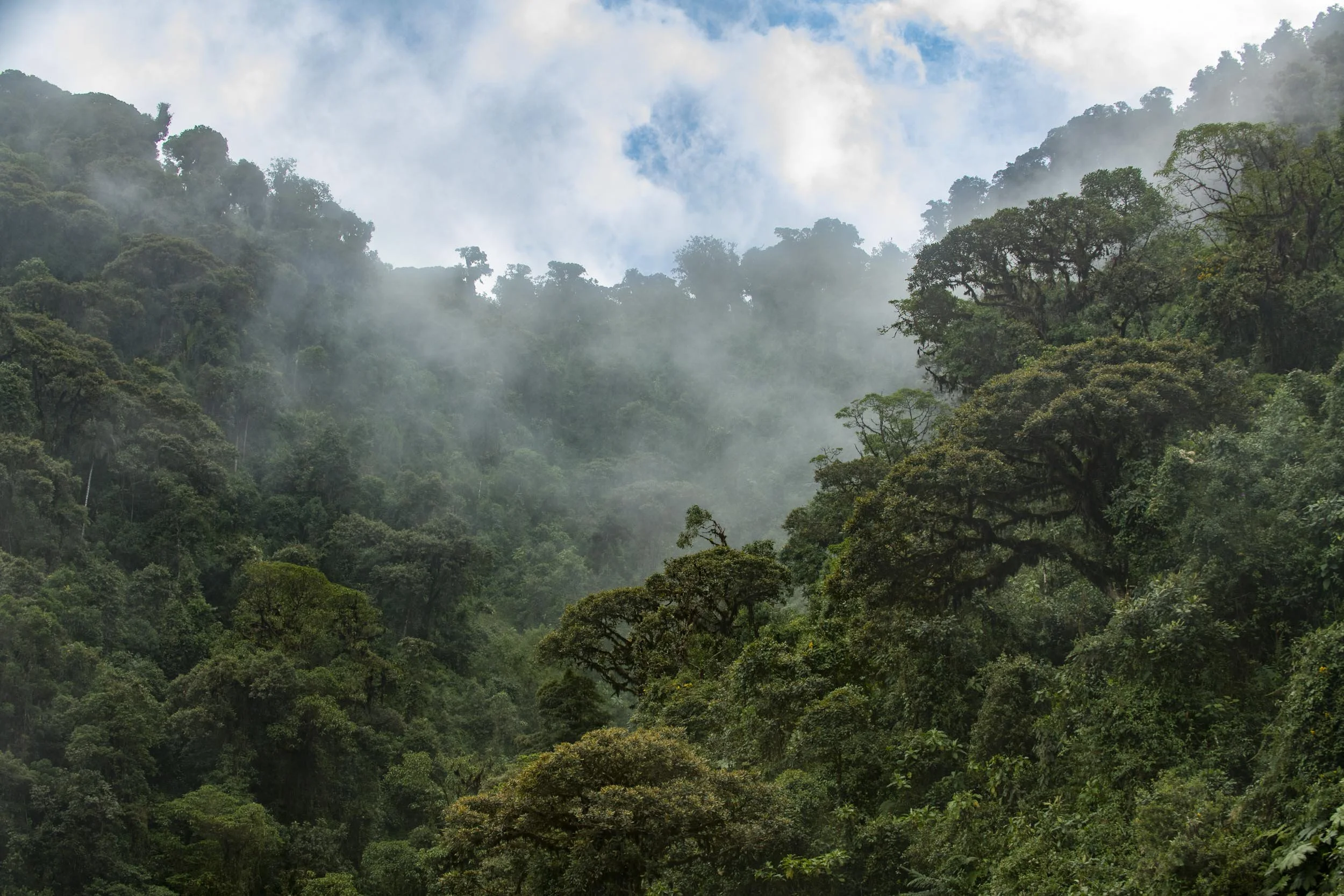
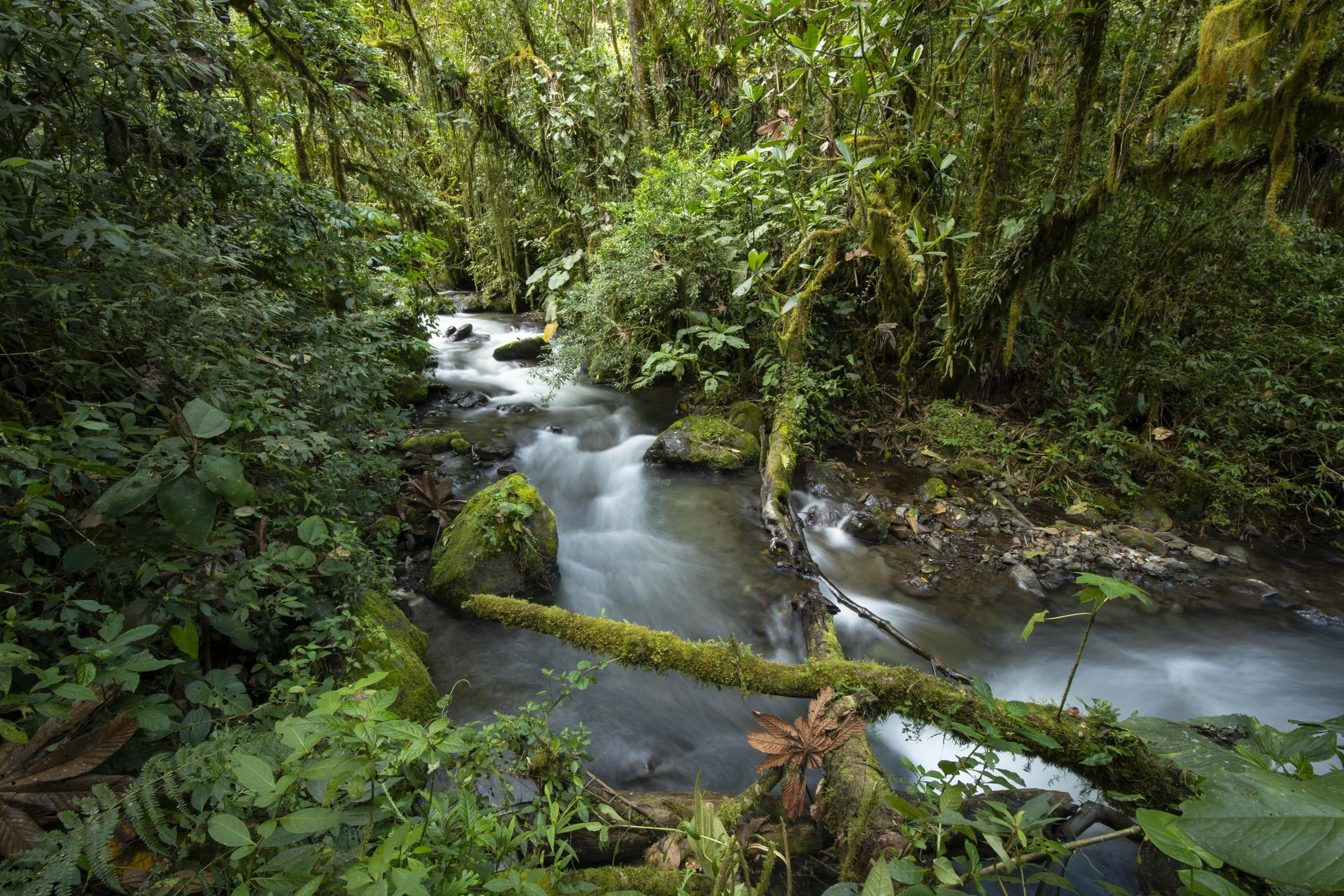
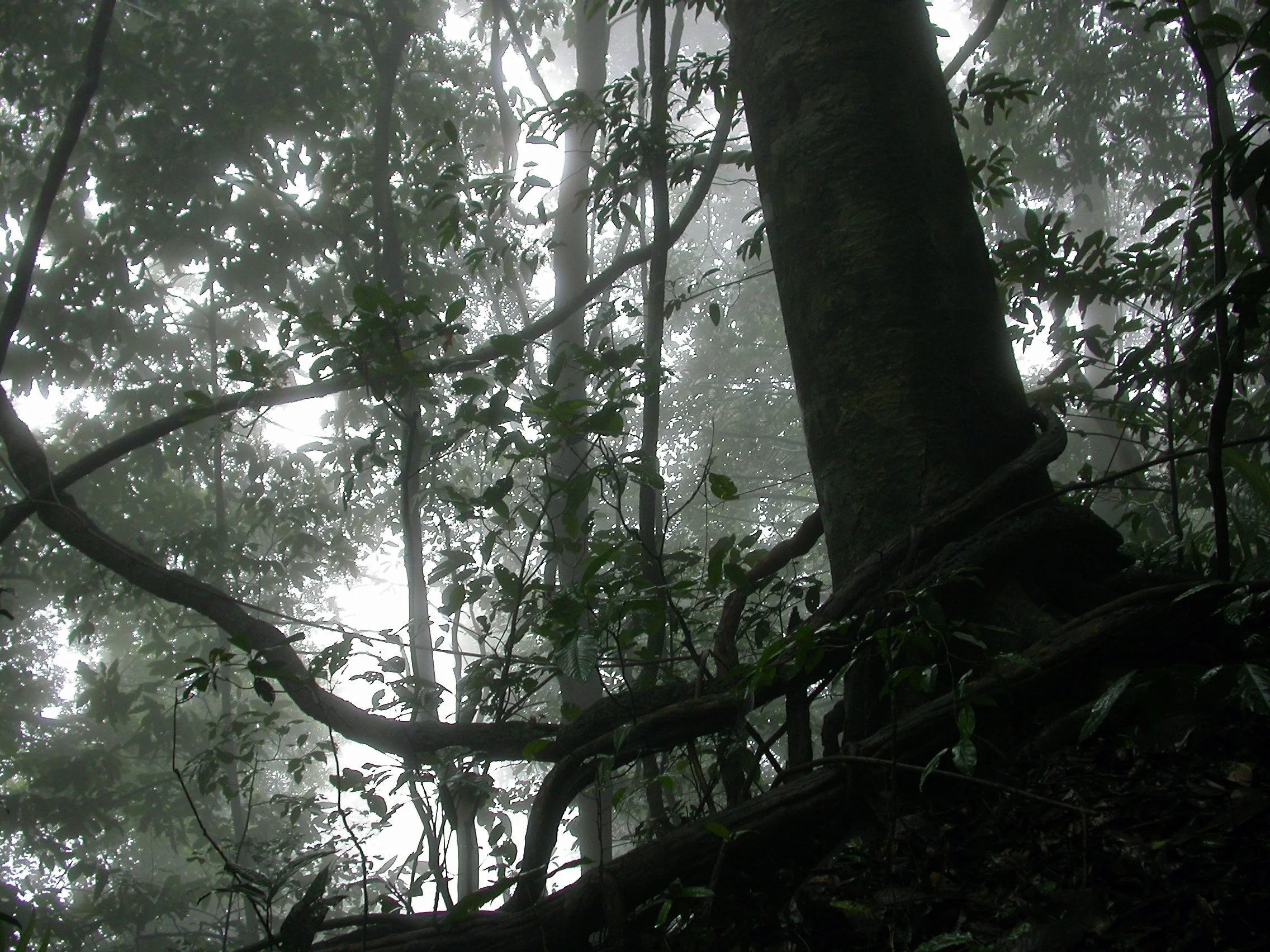
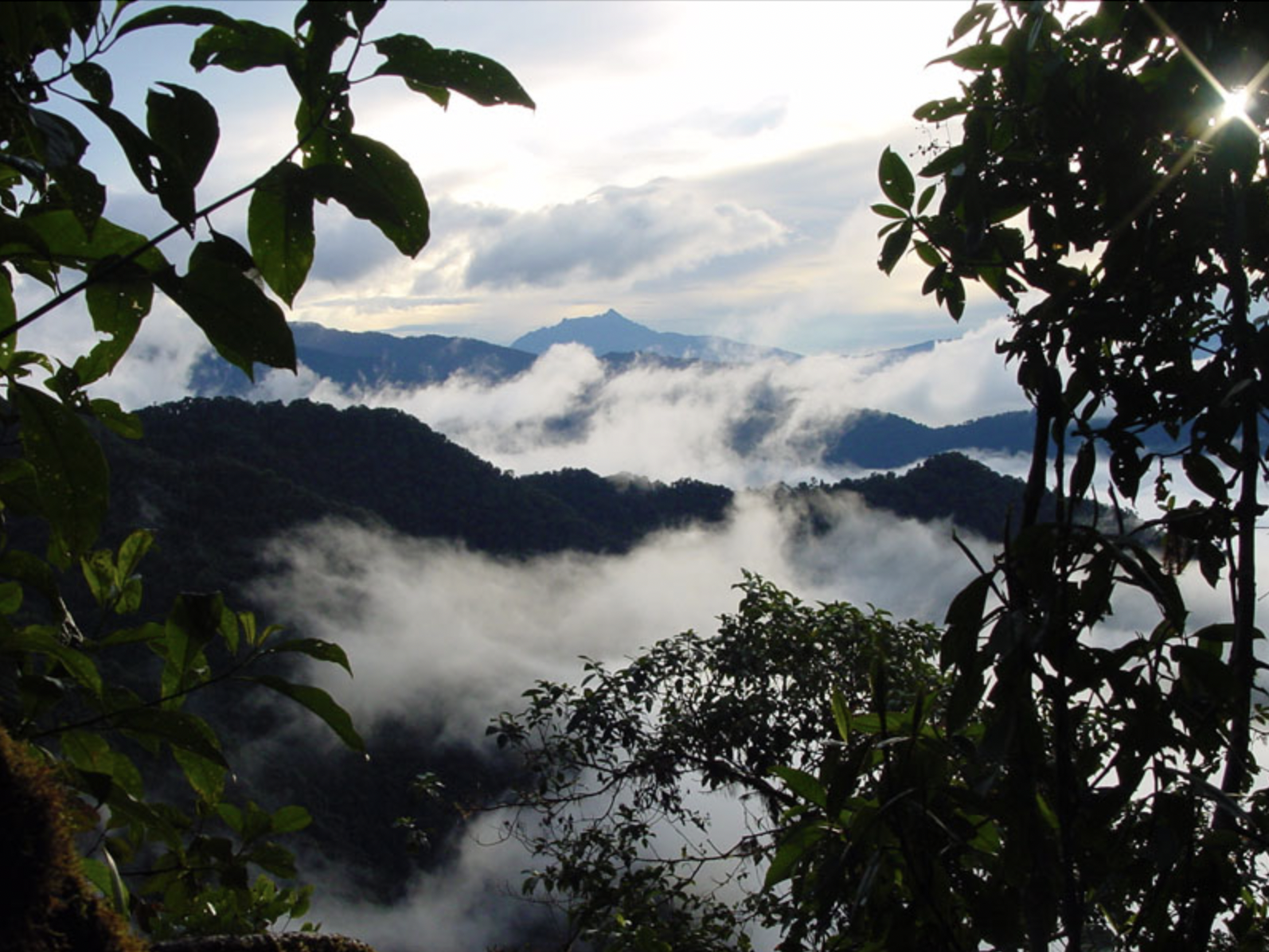
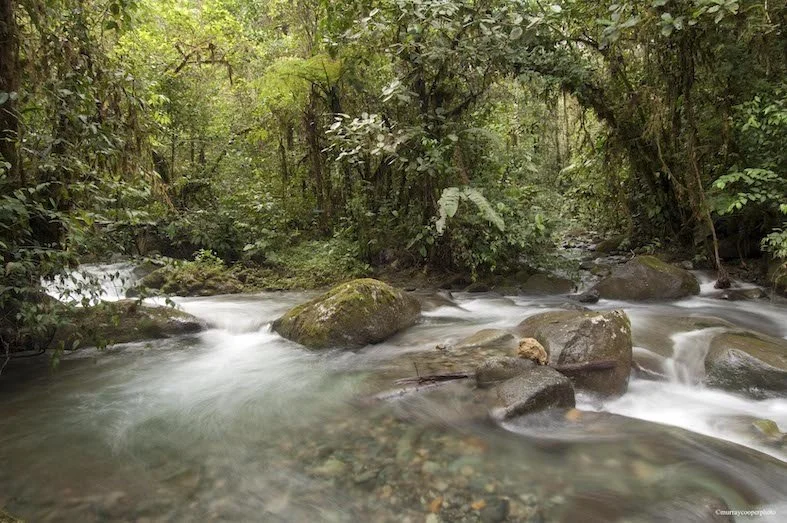
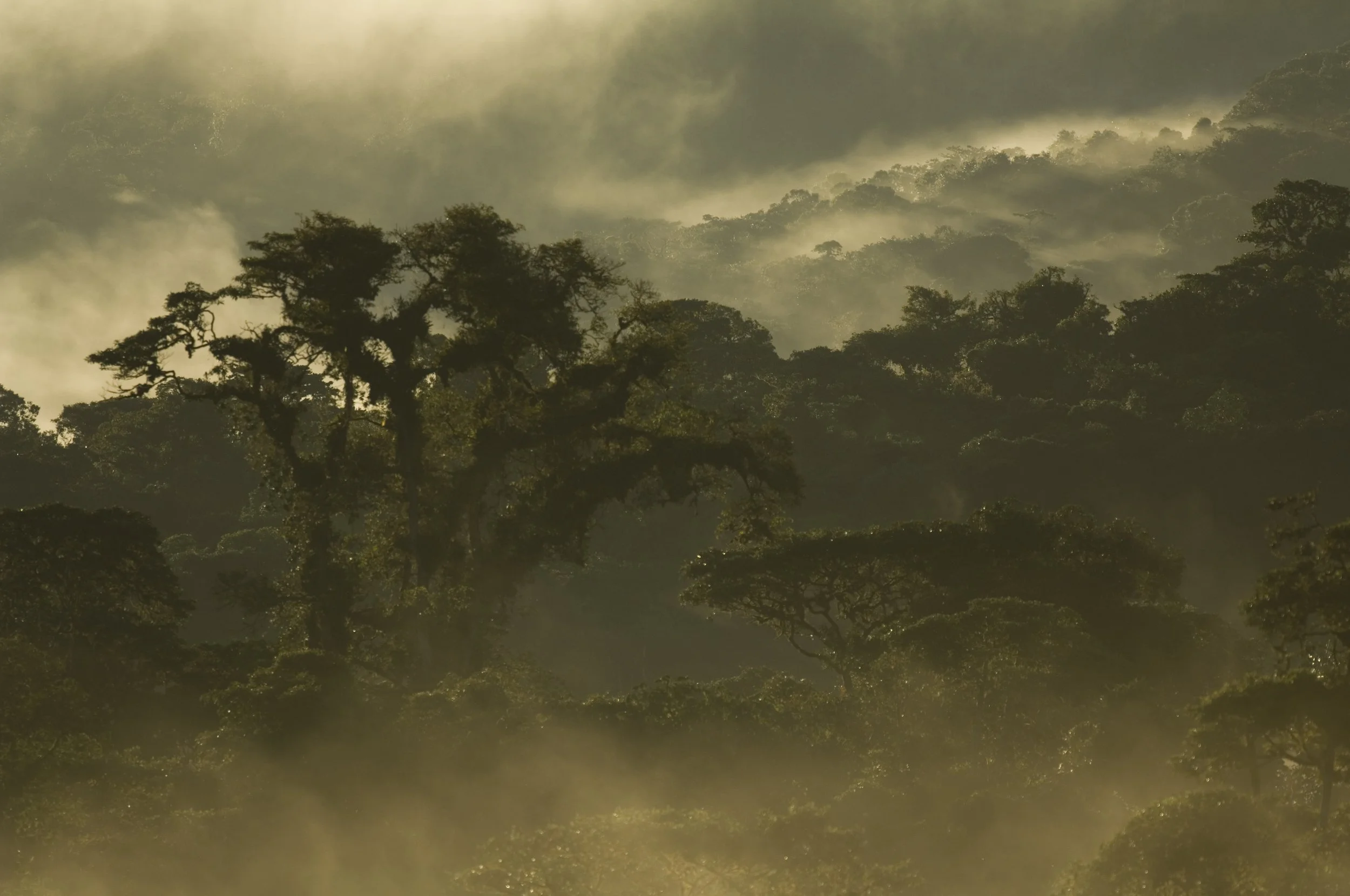
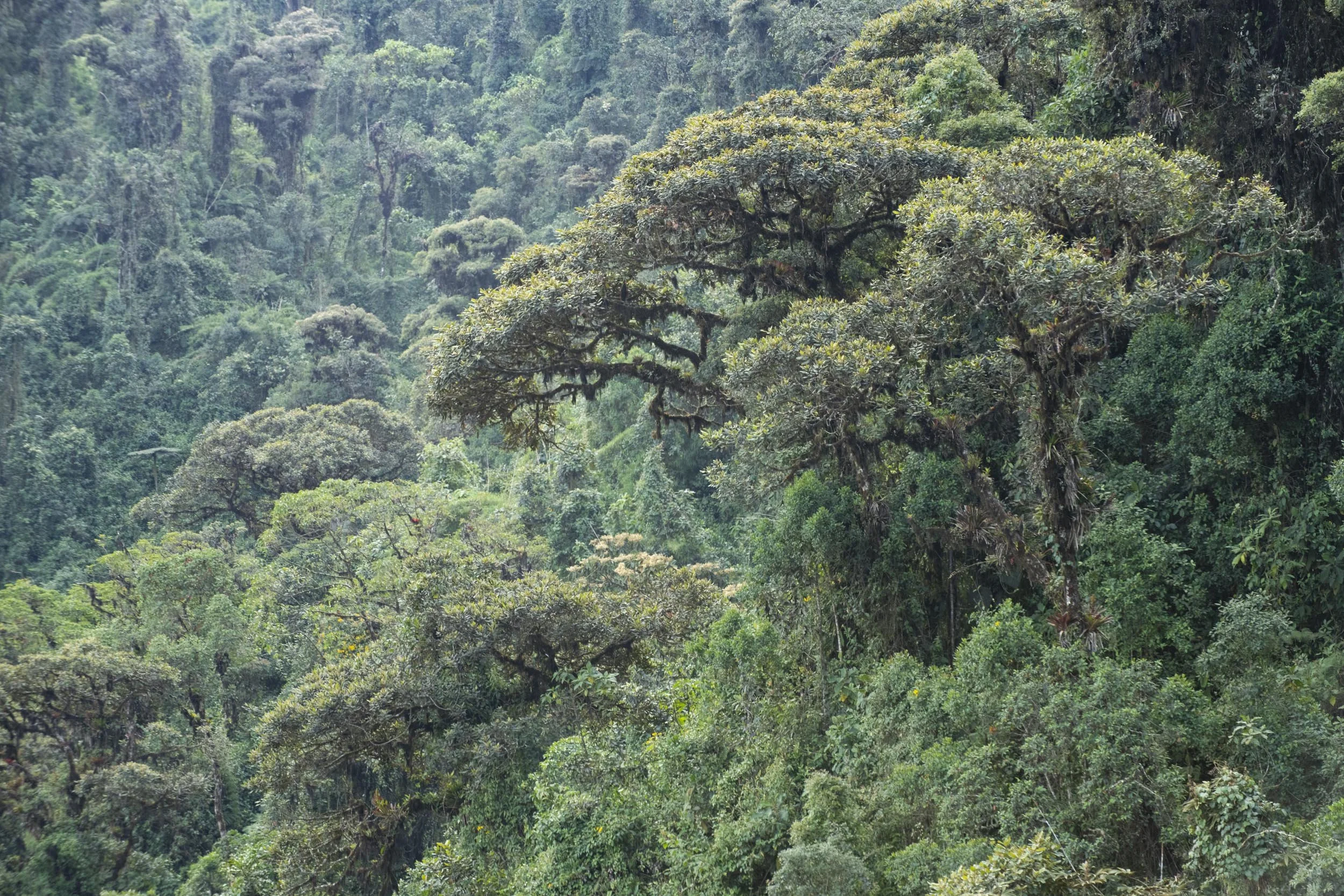
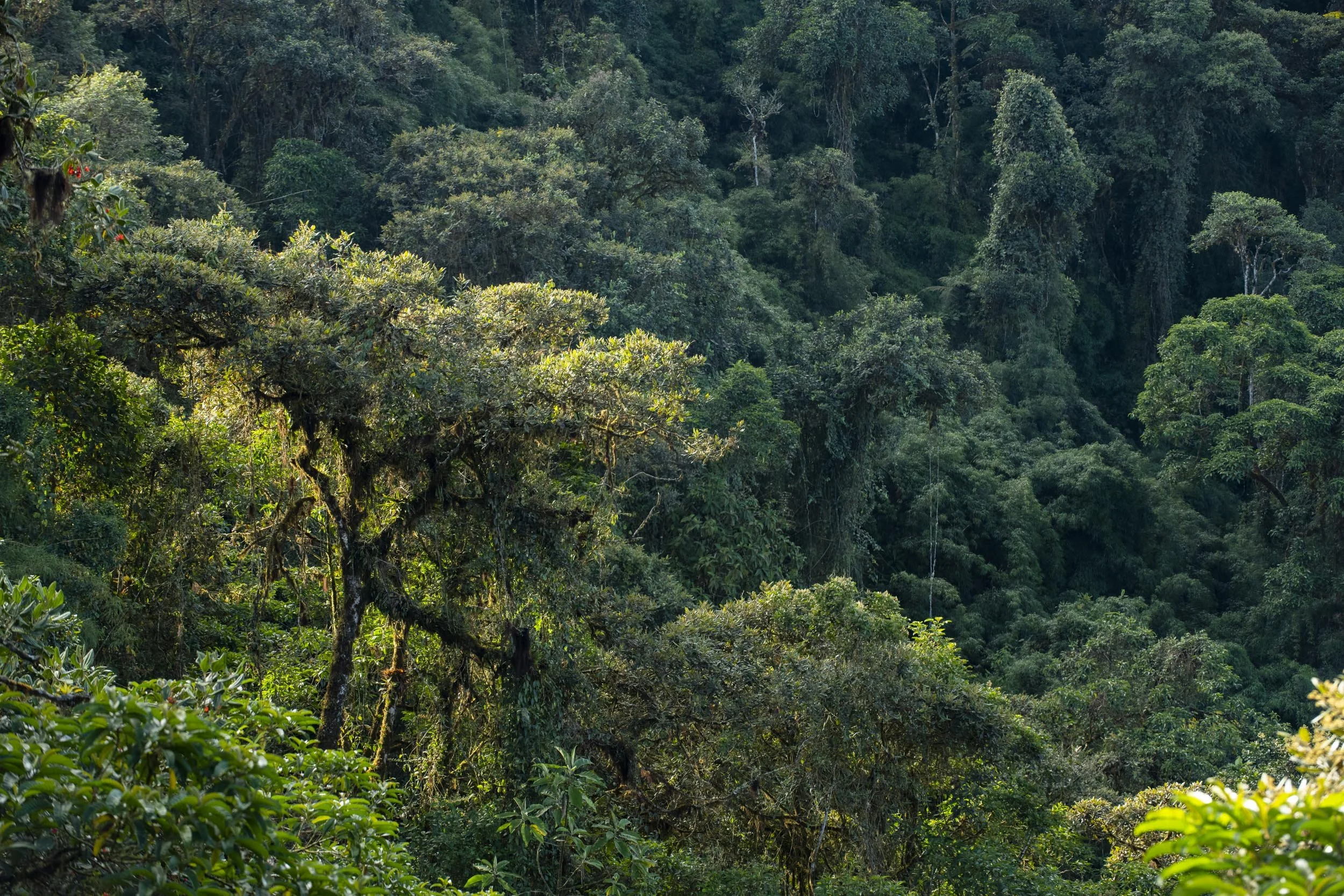
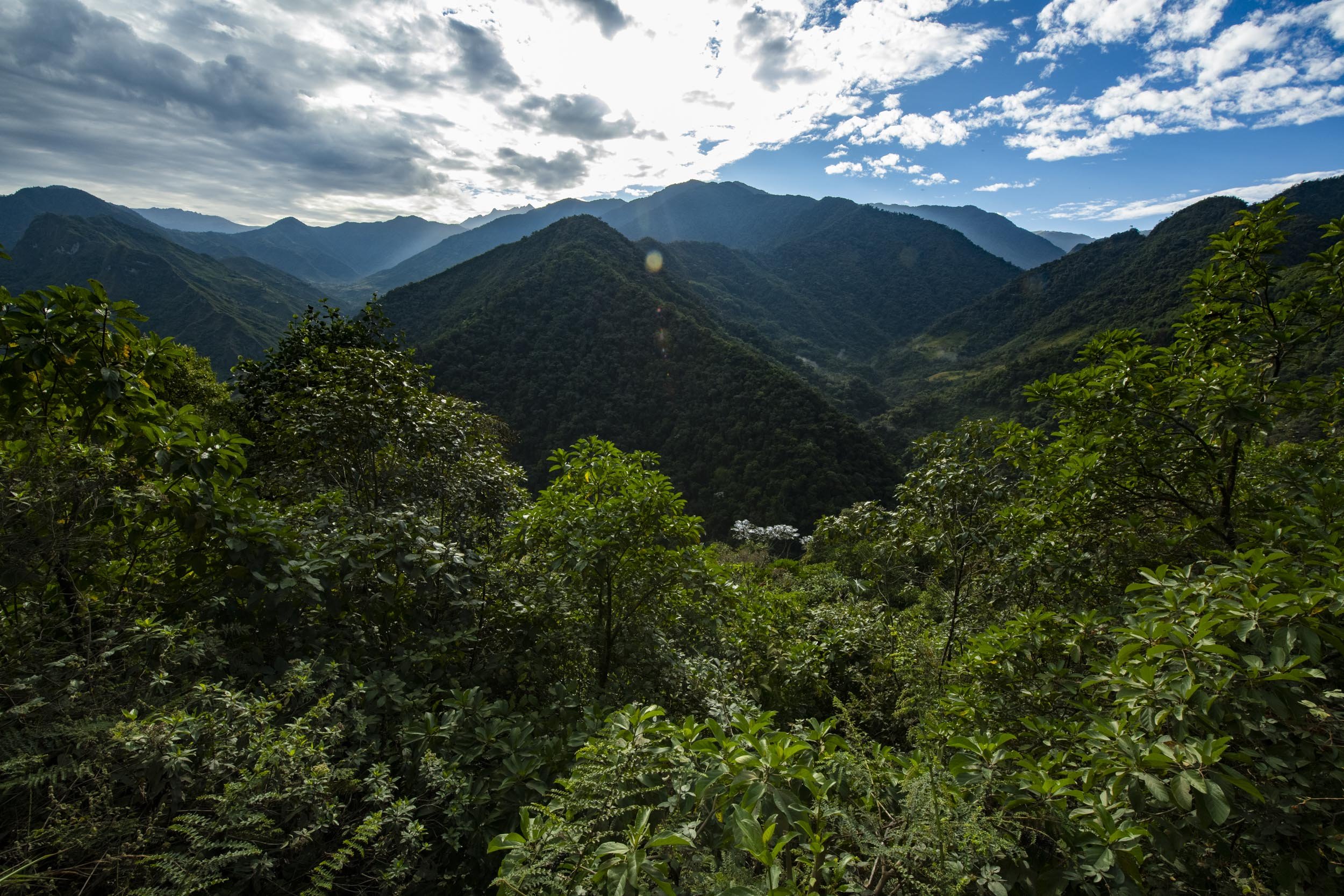
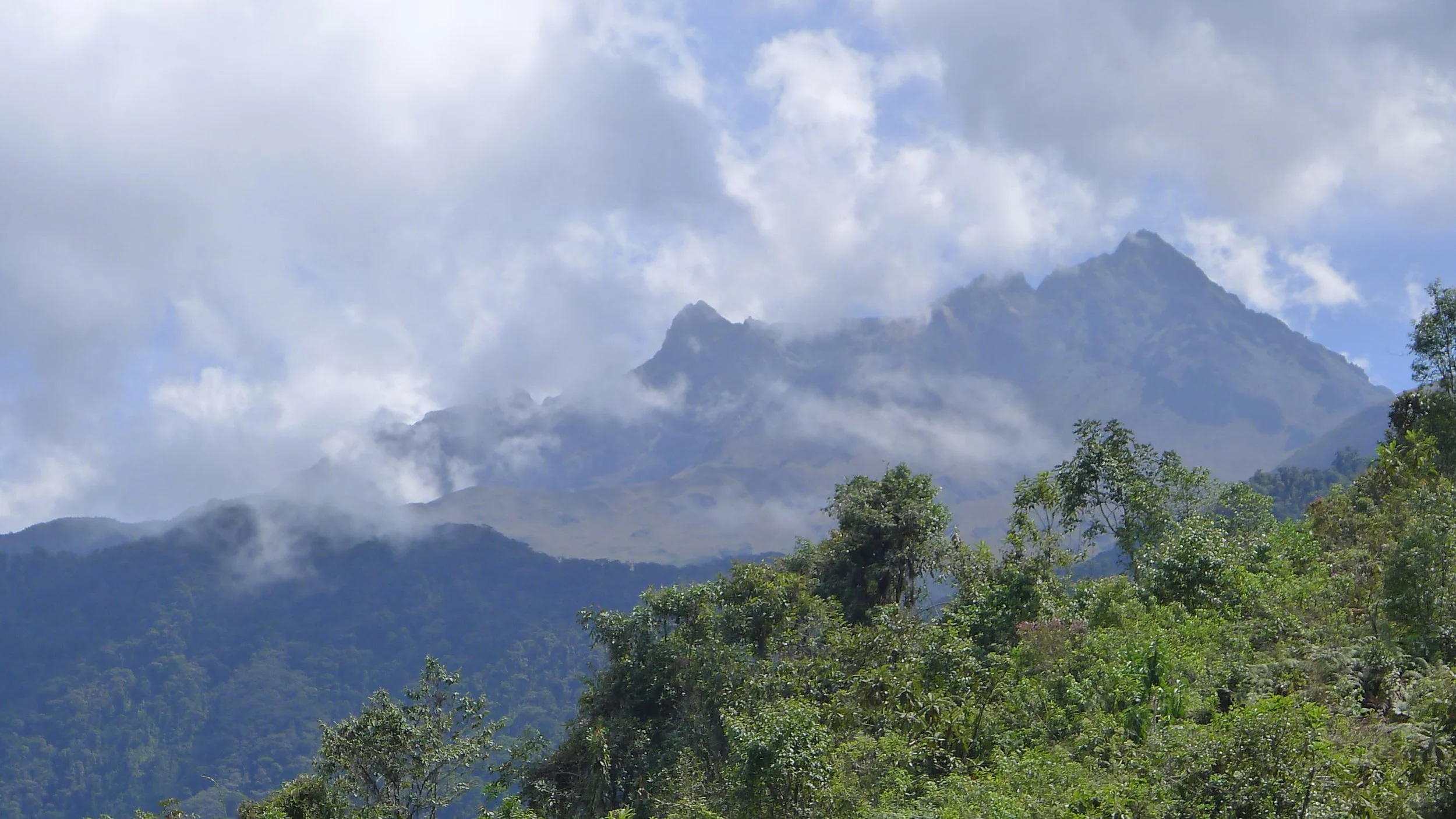
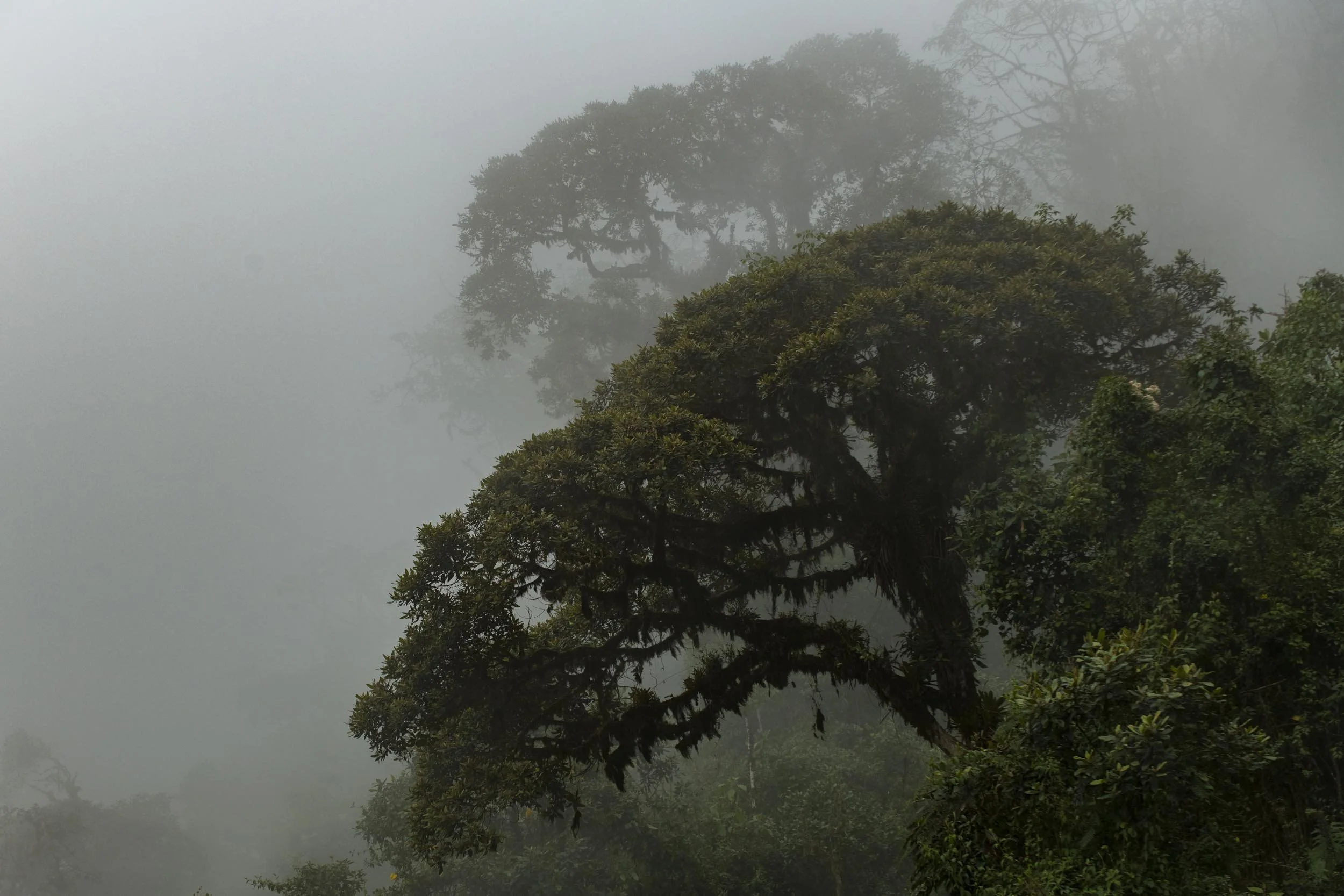
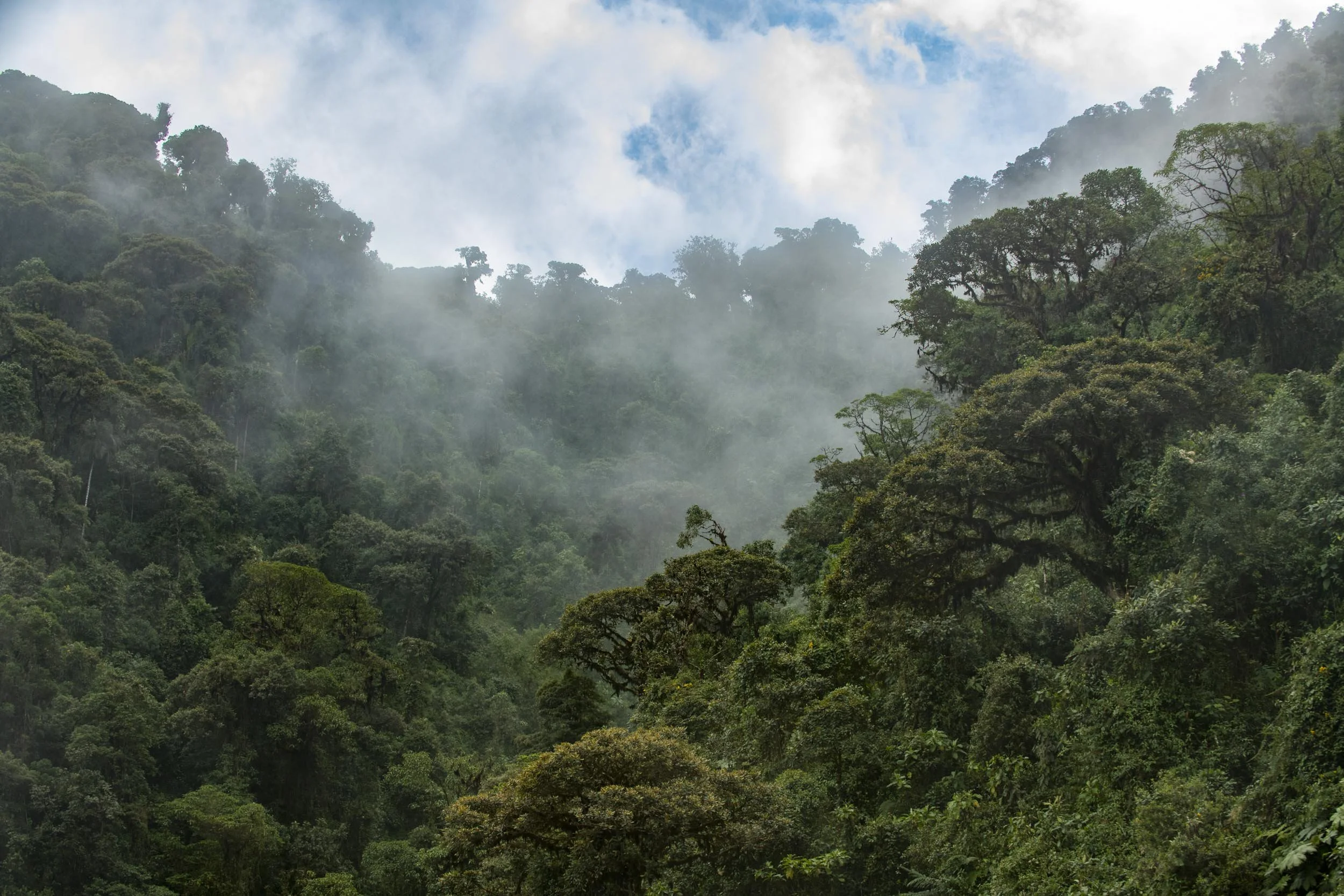
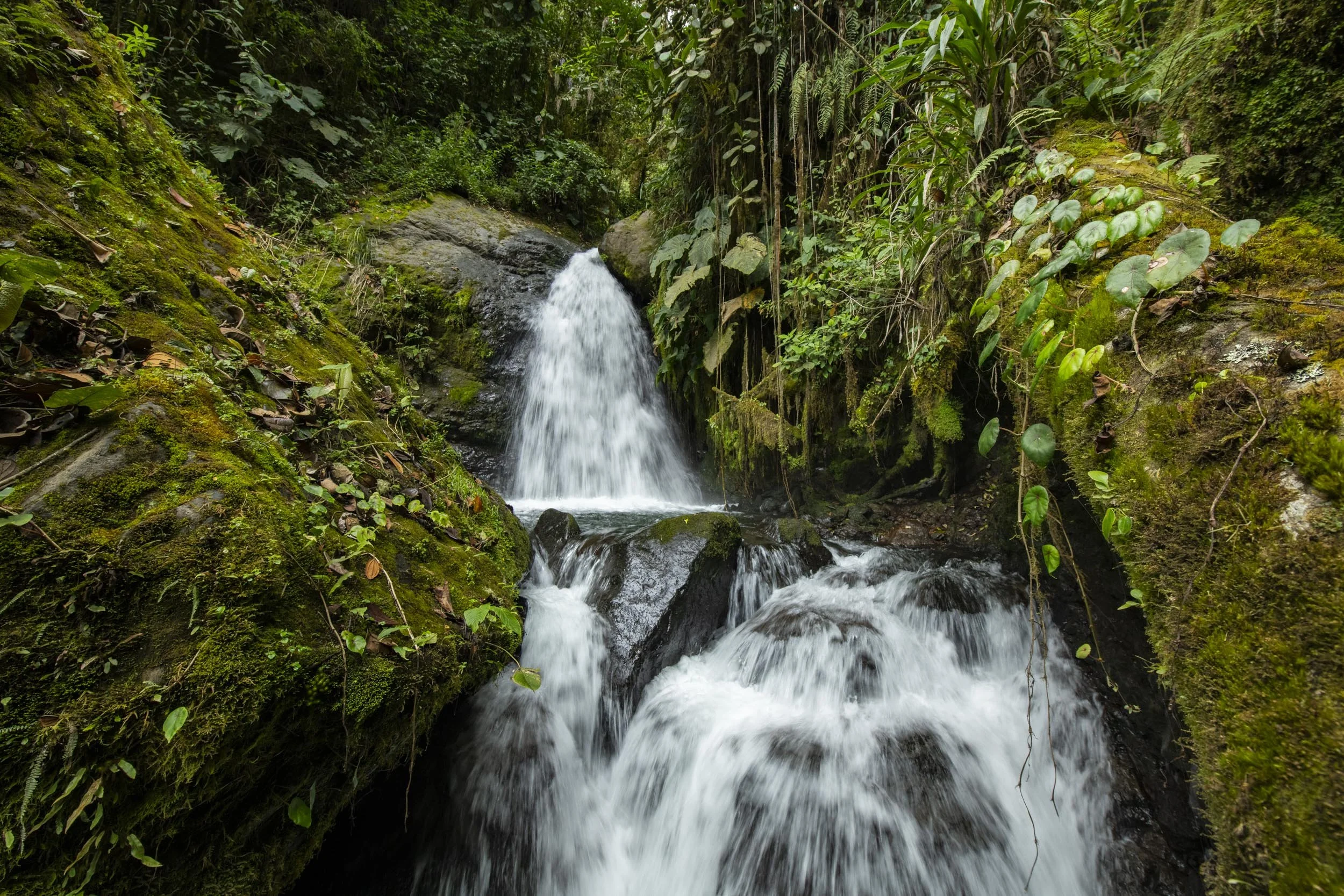
Neblina Cloud Forest - Photo by Murray Cooper
The BEP: What are the key components for establishing a successful reserve or conservation project?
PB: I would define a “successful” reserve or project as one that achieves its conservation objectives and maintains them for the long term. Within our control the two most important factors in this are a conservation organisation’s (including local partner’s) ability to protect habitat, and strong relationships with local actors. Local relationships typically fall into two groups; (1) for our own reserves, the local community members, the local people we employ as managers and rangers, and (2) for partnership-based projects, the partner NGO themselves.
There are social and geographic factors that can affect a project’s long-term success, thus we check these factors as best we can before starting. For instance, a predisposed government is always beneficial to conservation.
Geographically, establishing a reserve adjoining an existing National Park means at least one of its borders is automatically secured, makes it less likely to suffer ‘edge effects’ and increasing the likelihood of formal government recognition and even collaboration.
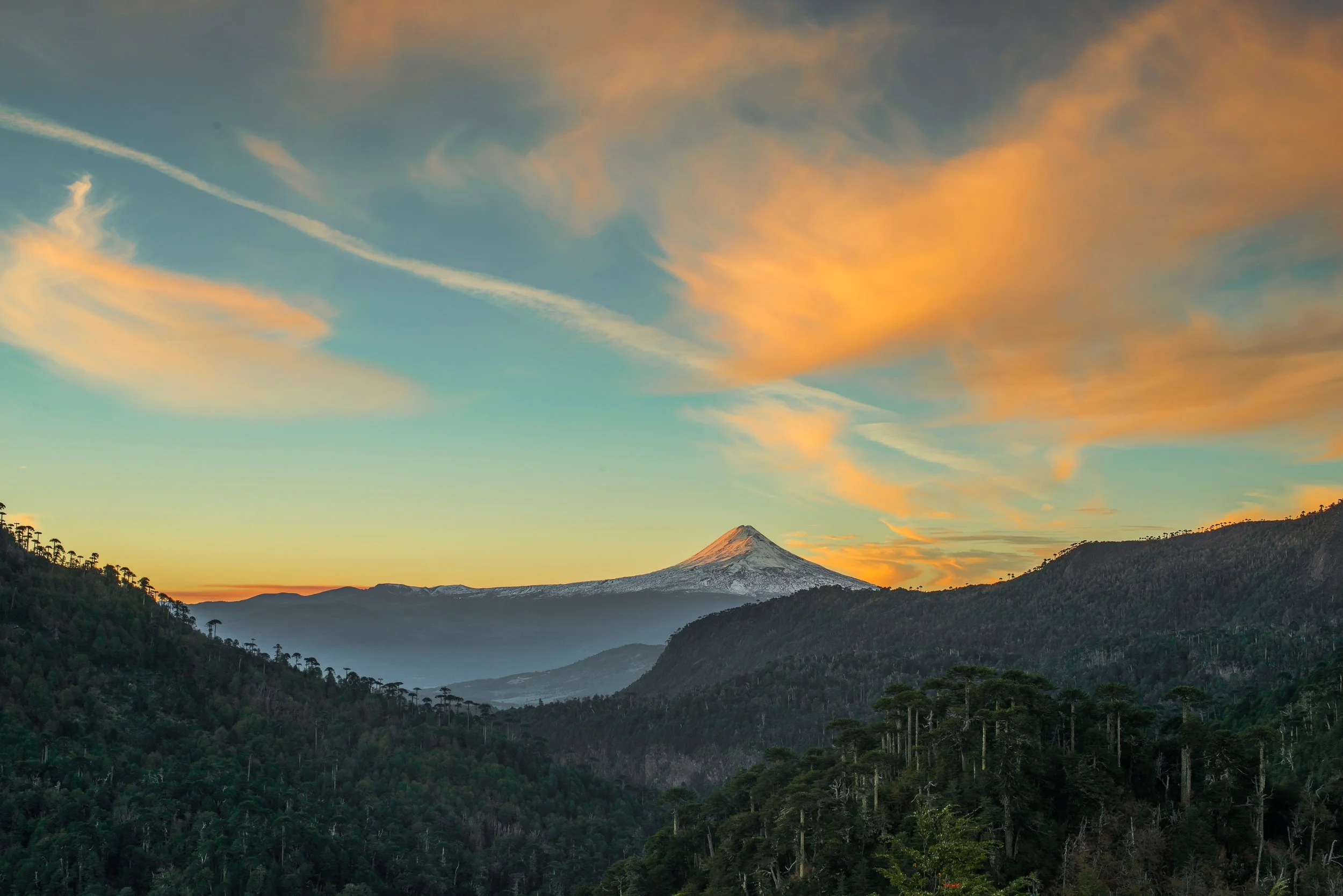
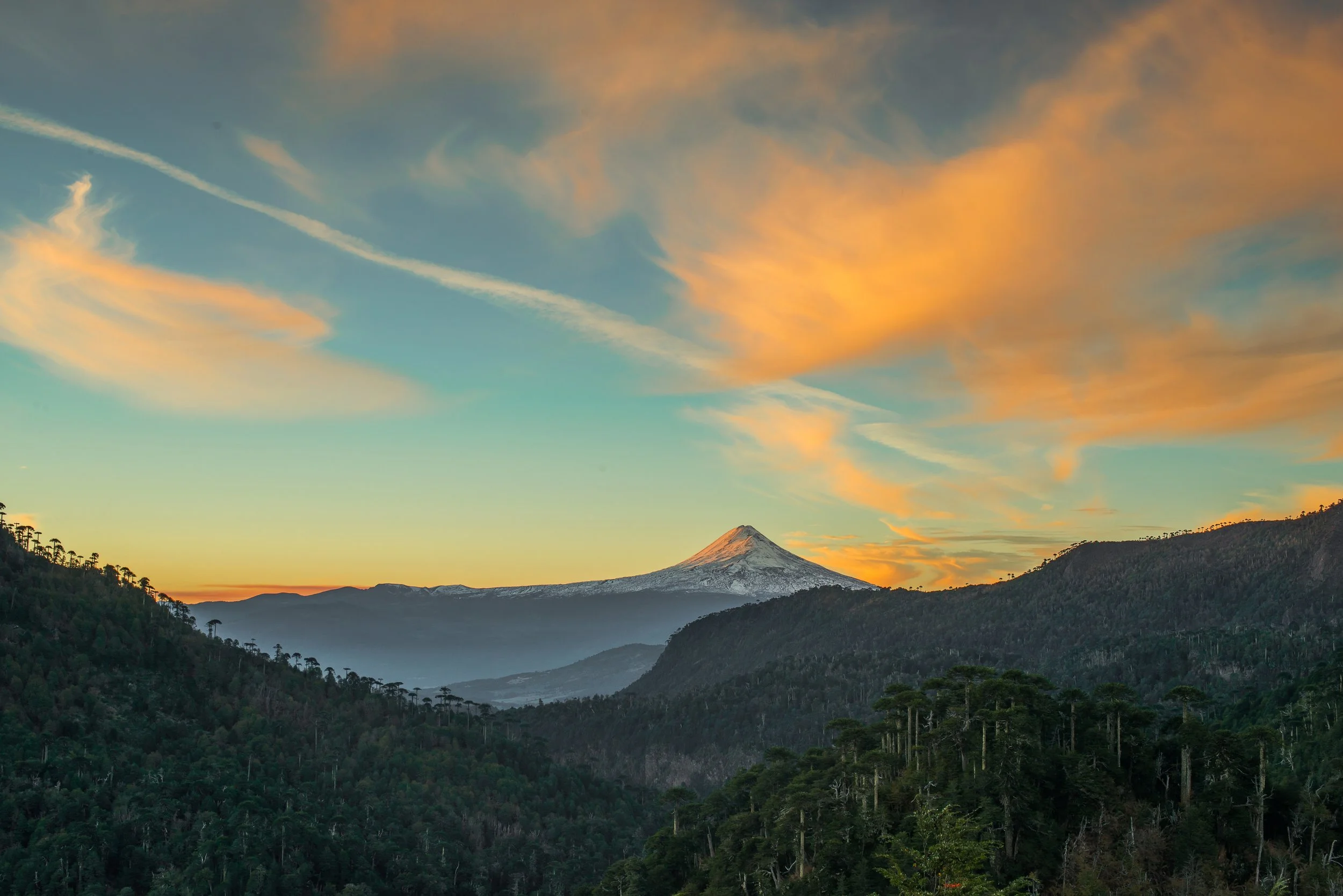
Nasampulli - Photo by Nick Charlesworth
If you were looking at a new idea to set up a project, where would you start, what are the biggest challenges you are likely to face, and what would be the key components for success?
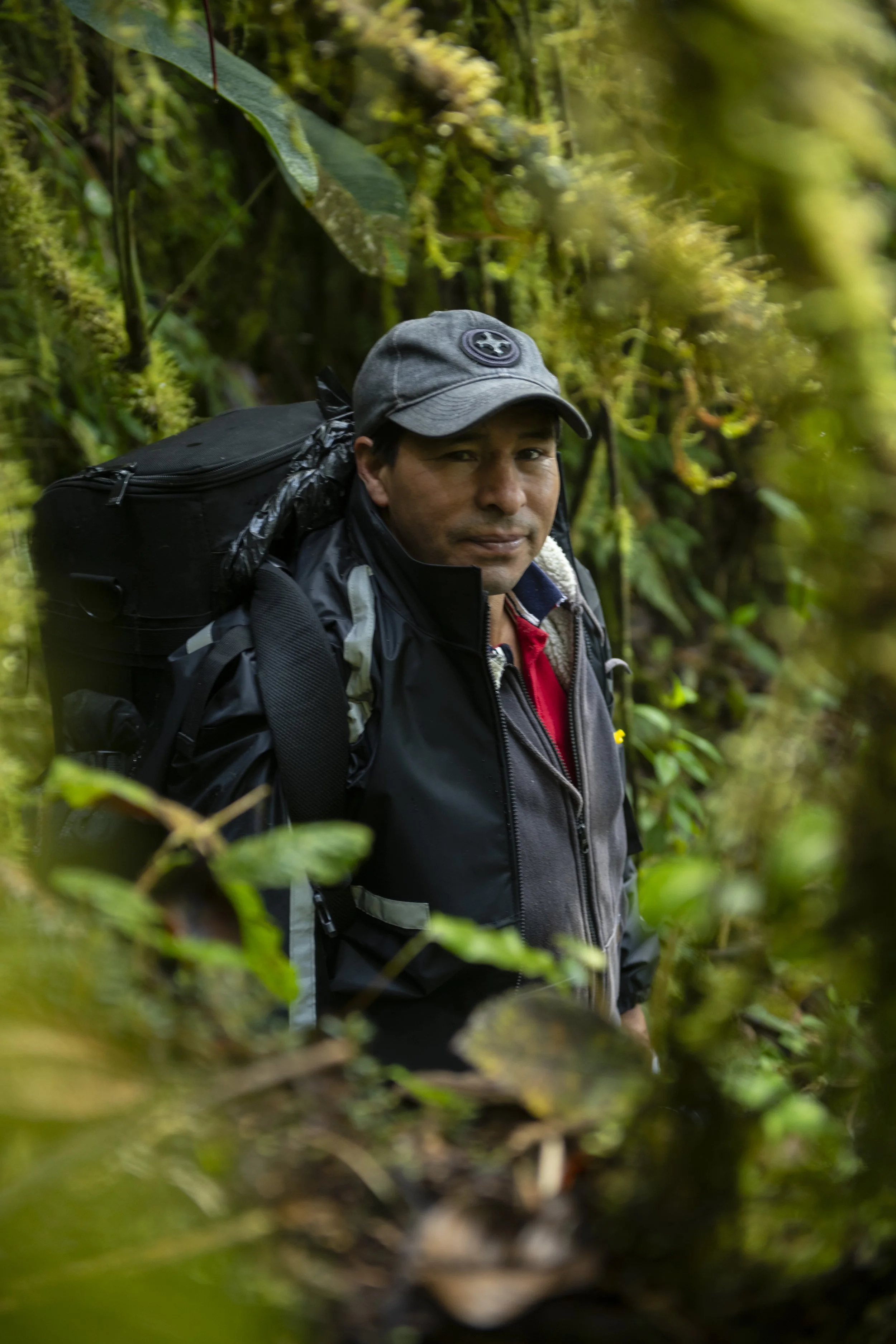
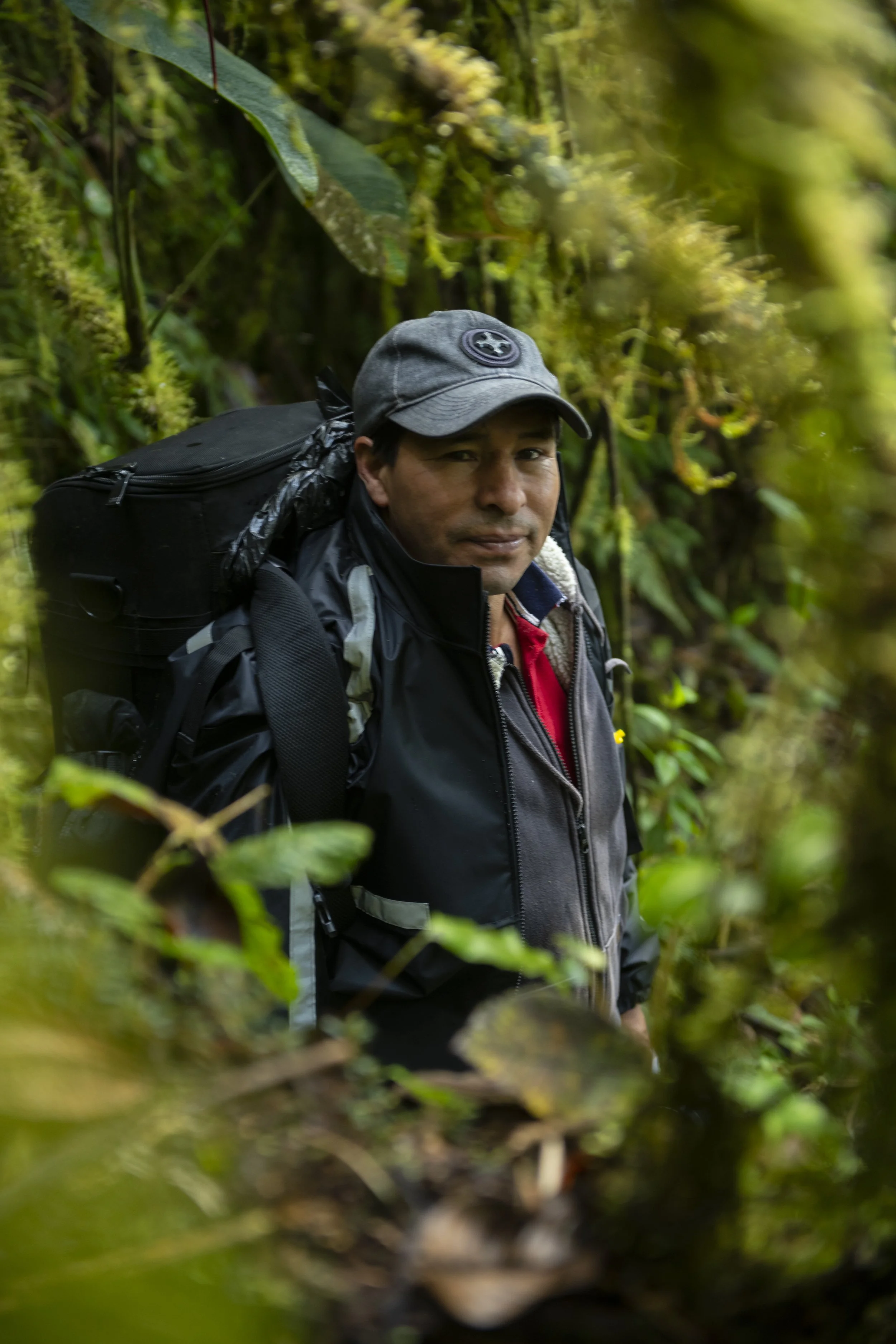
Milton Arcos, Head Ranger Neblina
To set up a new project it is often easiest to identify a likely local partner first (as well as the social and geographical factors previously mentioned).
A trusted partner with decades of local experience will have established positive local relationships and a better idea of local conservation priorities than we could have as foreigners; thus partnership increases our efficacy. In projects involving the registration of indigenous land or land purchase, it is also always easier to work in countries where we have strong relationships with local lawyers.
A possible project must also meet key conservation criteria.
As a relatively small organisation, we must prioritise - at the bare minimum a new project must benefit considerable biodiversity and/or an Endangered Species (as defined by the IUCN, which can include a forest type).
The ultimate goal is to protect a biodiverse habitat and simultaneously multiple threatened/Endangered species inhabiting it. Once we have identified and validated the target conservation need, we move forward to establishing the project.
Having established the possible conservation value of a project (both at the project start and with continuous monitoring, for instance with camera traps), the project has to meet that value and maintain it. Maintaining our local partnerships helps immensely with this, including through team visits, and is key to expanding projects further - accurate reporting from our partners and publicly visible collaboration is essential in raising further funding.
How do you maintain what you have established?
Maintenance is a requirement for success.To safeguard conservation outcome, we always work to secure the strongest possible legal protection for the forest in our reserves. For instance, for three parts of our Neblina Reserve we have secured Sistema Nacional de Áreas Protegidas (SNAP) status, the highest possible legal protection in Ecuador. Only a handful of private reserves have SNAP status.
In terms of funding, there are continuous running costs to our projects - for instance we have to pay our rangers and lawyers. To illegal poachers, loggers and gold miners, the protected status or ownership of forest is irrelevant unless the forest is guarded, physically and in law.
This presents a fundraising problem: there is a significant misconception (often among donors in Europe) that once we have bought a parcel of land, that’s job done. This is not the case, hence recurring support is of great value to us.
For us this has historically been from several sources including loyal corporations, key private donors and generous members of the public becoming Rainforest Concern Members. Rainforest Concern Membership or PAYE Giving are two extremely effective ways members of the public can support rainforest conservation.
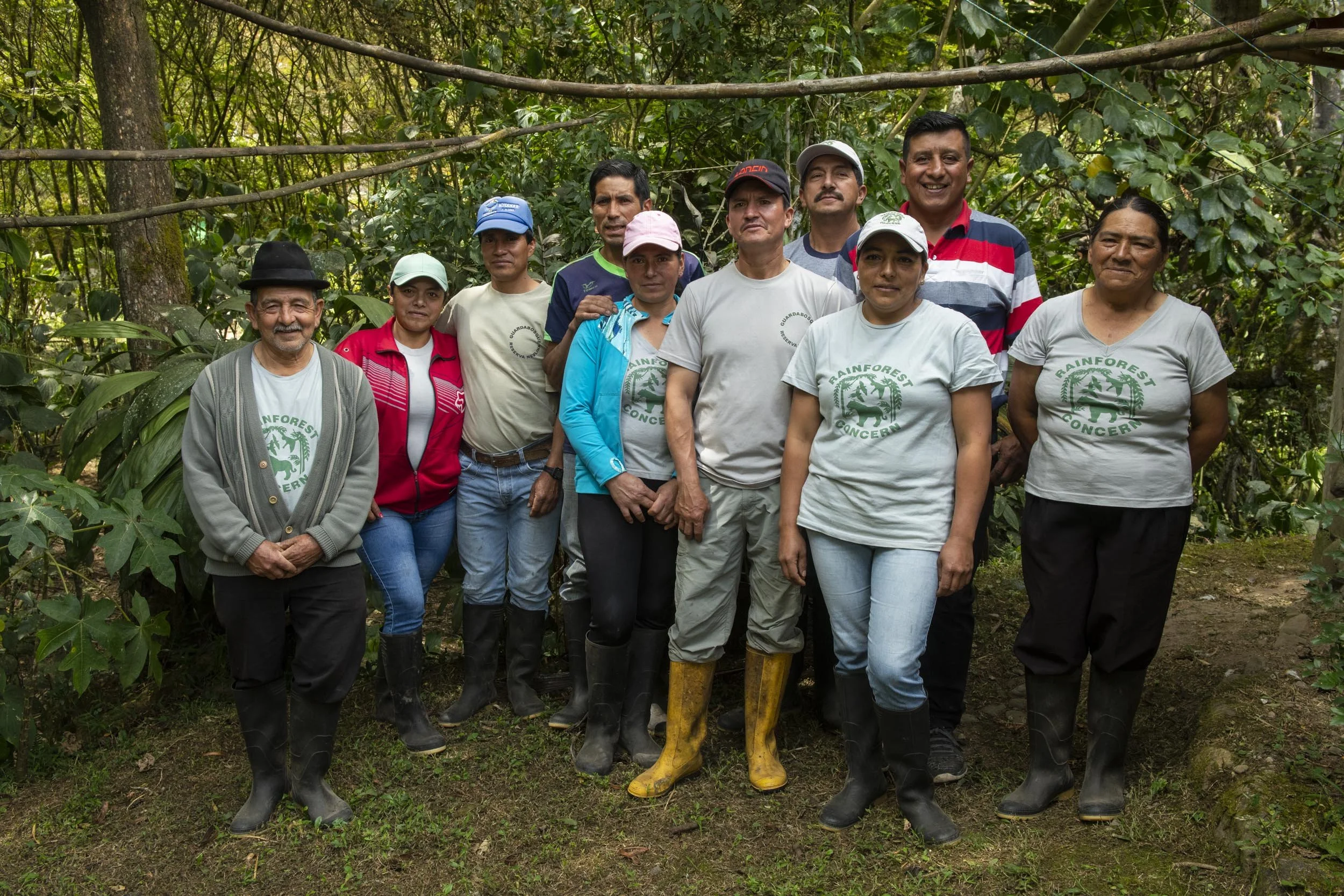
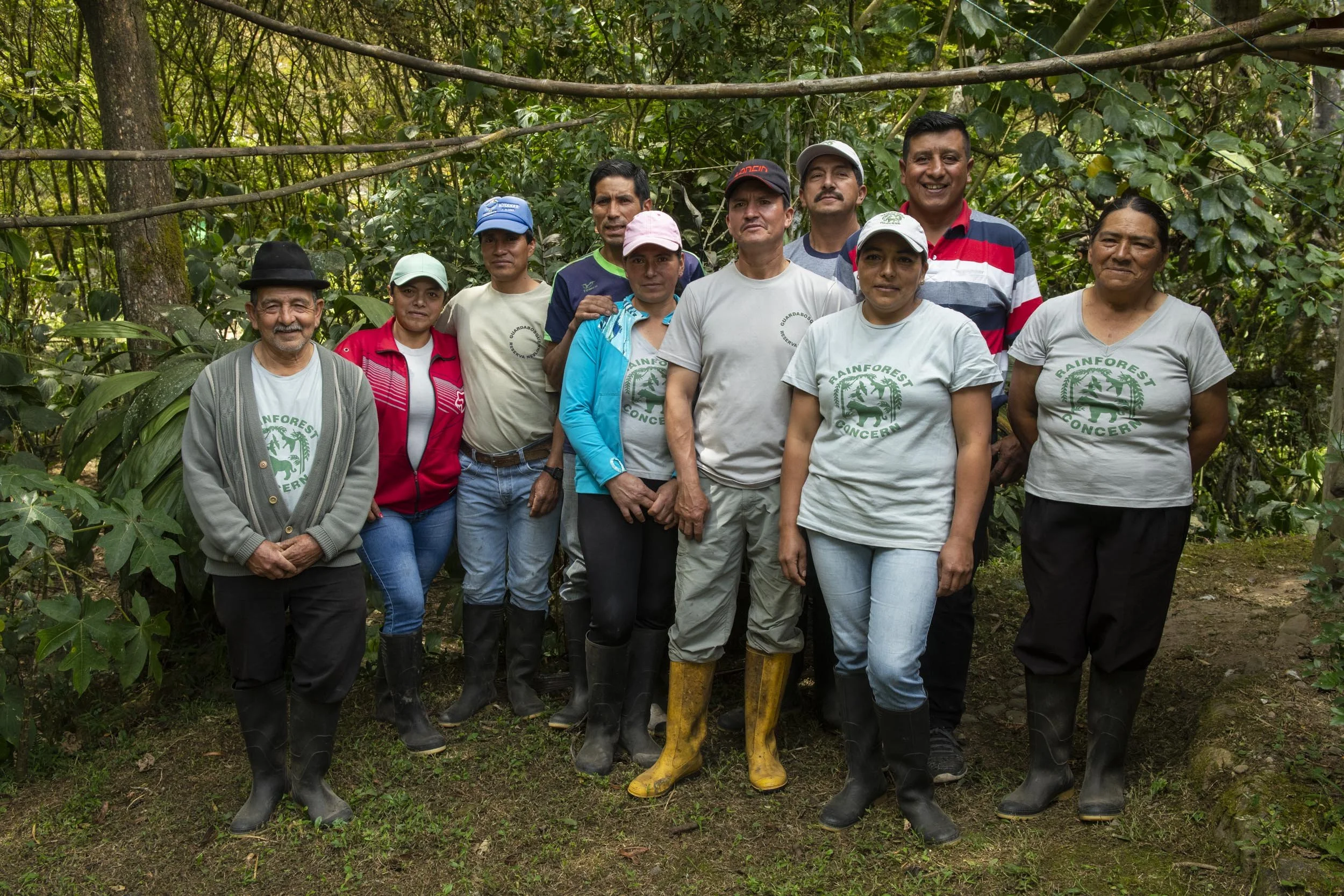
Neblina forest guards - Photo by Murray Cooper
Does it take a separate set of skills to keep going, to still be here in 2026 with reserves protecting cloud forests and dry forests and conservation-critical habitats and species?
I think it’s a question of mindset/perseverance rather than skills.
We are committed to long term conservation outcomes and take our ongoing responsibilities extremely seriously. That said, people skills and analytical skills are both necessities.
What have you learned that others could learn from?
Everybody involved in conservation needs to understand that involving local communities is absolutely key to long term success.
Unfortunately, we also can’t save everything - prioritise according to biodiversity value, cost effectiveness and likelihood of project longevity.
How important is research and monitoring to your work?
Continuous monitoring is absolutely essential to the success of our projects. This goes beyond monitoring the reserves to prevent poaching; biodiversity/ecosystem health monitoring enables us to track the conservation value of our reserves.
We also set up targeted monitoring for particular species of conservation relevance. For example, in and around our Neblina Reserve, we have breeding pairs of Isidor’s eagles (Endangered as per the IUCN, possibly as few as 250 mature adults remain).
We monitor the nests to track the development of the chicks - our lead ranger regularly observes nests from nearby trees, recording behaviour and taking photographs. We use these in public communications, for fundraising with trusts and foundations and to educate local community members about this tragically rare species.
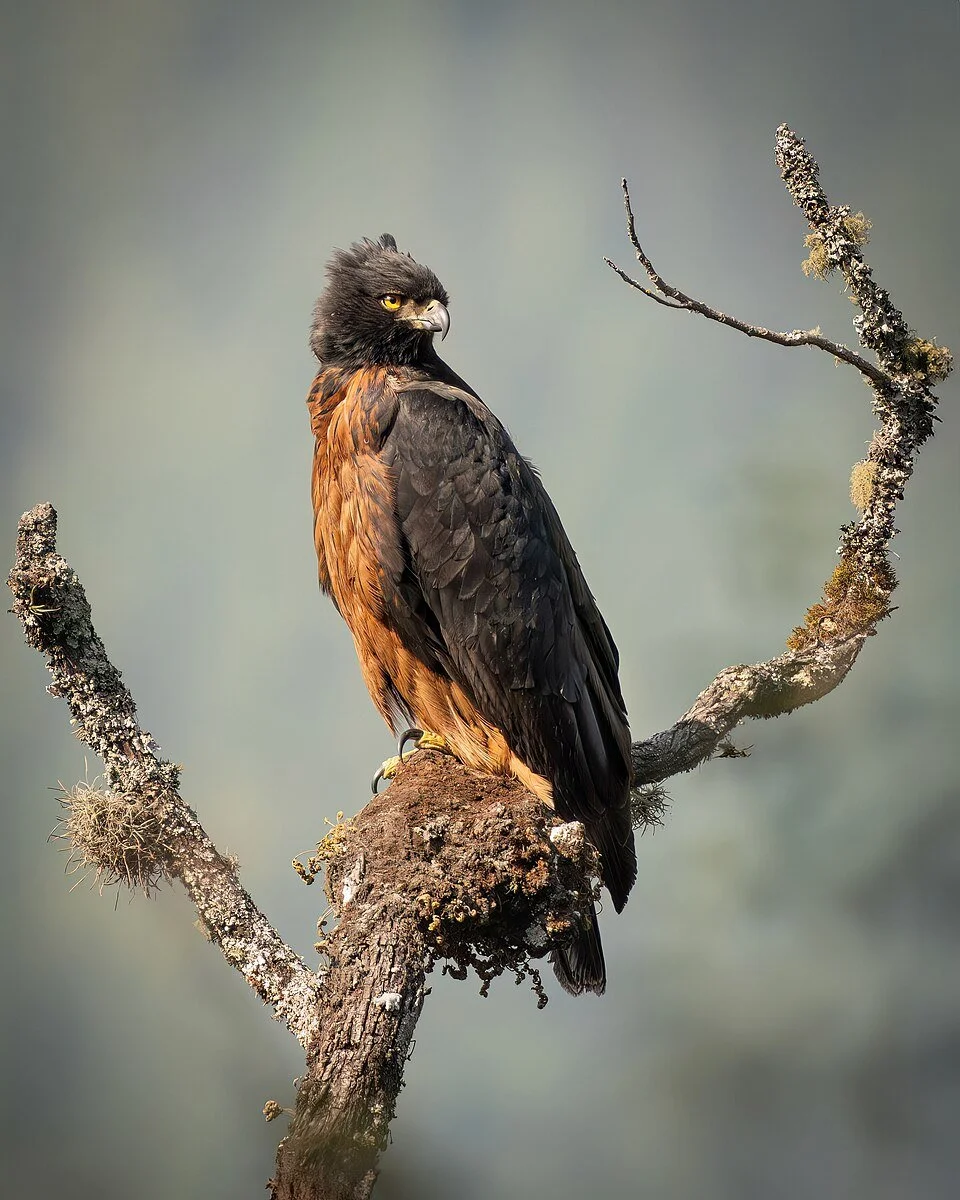
Isidor's eagle, By Luciano Massa - https://www.inaturalist.org/photos/422440970, CC BY 4.0, https://commons.wikimedia.org/w/index.php?curid=181930774
What sort of approaches has Rainforest Concern taken to deliver scientific credibility and verification to its work
Comprehensive ecological surveying (beyond more passive processes such as camera-trapping) is extremely expensive, and where possible we prefer to spend funding on further conservation over research - particularly if we already have evidence that a conservation intervention is giving meaningful positive change. Therefore in our established reserves we typically use key indicator species to gauge habitat health.
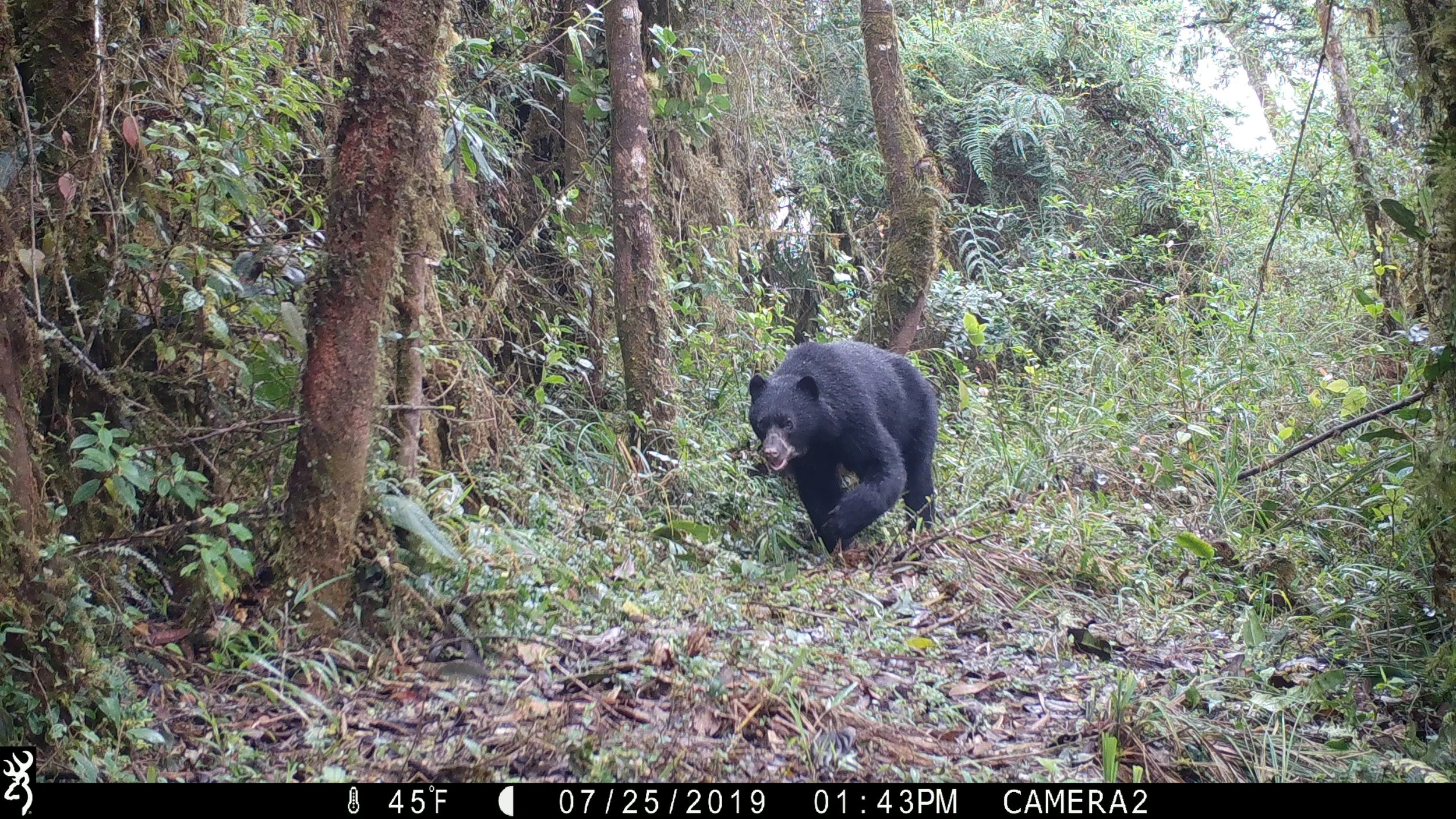
For example with PTES we conducted a survey of the Andean bears of the Neblina Reserve, which showed that more than double the expected number of bears are living in the reserve.
In simple terms, a population of apex predators like these require (and as keystone species contribute to) a highly biodiverse and high-biomass environment, hence can be used as a rough gauge for both metrics.
We welcome academic collaborations; often there is overlap between a university’s research objectives and our conservation outcome validation needs. We encourage universities to contact us with research ideas.
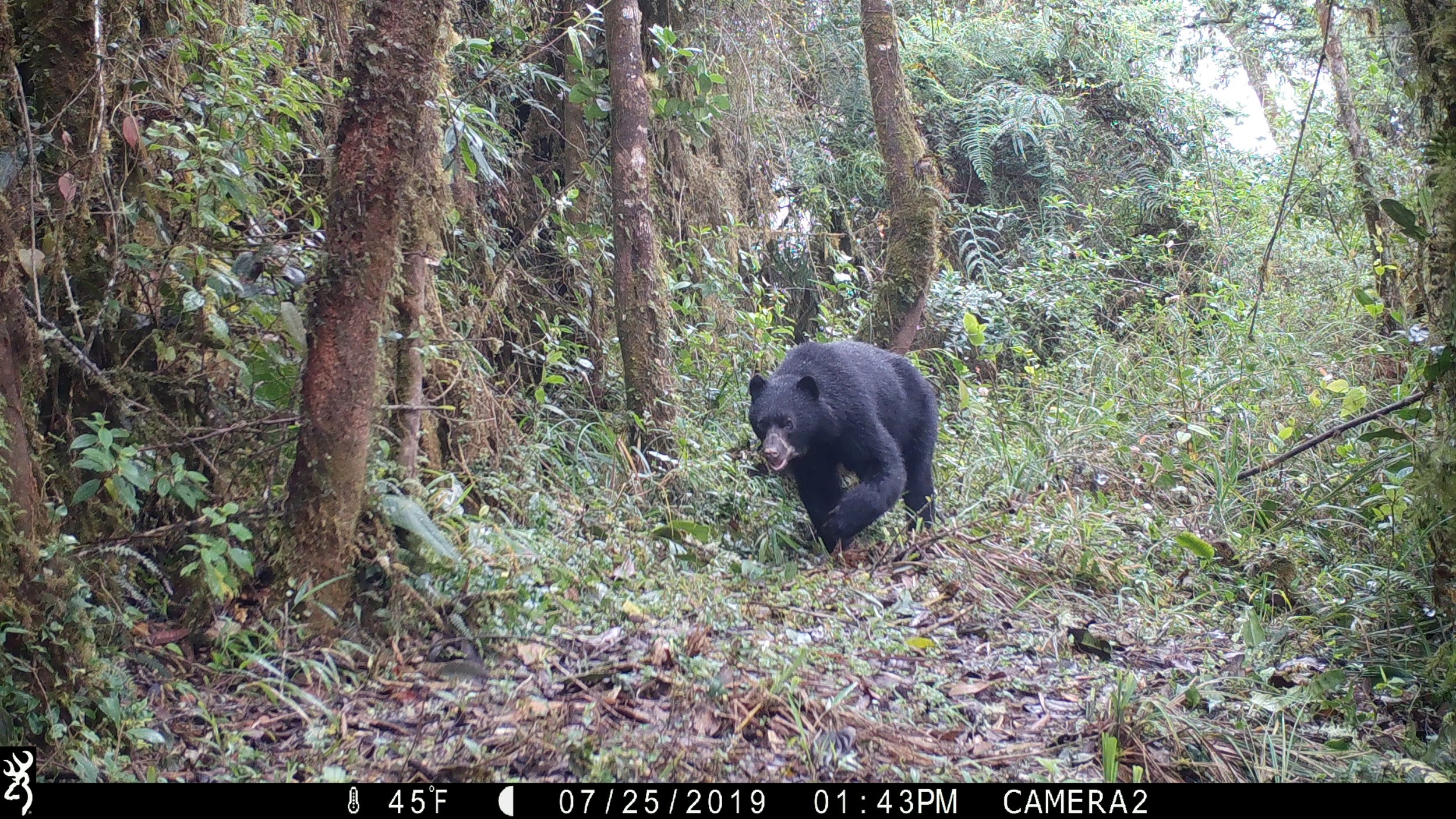
Spectacled bear in Neblina (Tremarctos ornatus)
Conservation projects sometimes get challenged for their treatment of indigenous peoples, farmers or others living on the land that they try to protect. Rainforest Concern seems to approach that differently - e.g. your website records ‘Support for Yawanawa to double their territories to 200,000 hectares in Acre, Brazil’ What is your approach? How should conservation projects and reserves aim to work with the grain of indigenous peoples’ lives and to establish ways for them to benefit directly from the protection of habitats and biodiversity?
We meet with communities local to our projects to discuss their needs and ambitions. For rangers, we employ from local communities, for instance Neblina has 38 part-time local community members as rangers. Their inclusion and allegiance is both ethically essential and critical for a conservation project’s longevity.
Conservationists must respect indigenous peoples and their relationships with rainforest; indigenous groups have been living in harmony with the rainforest for thousands of years, depending on it for their food, shelter and medicines.
Ancestral indigenous knowledge and understanding of their natural environments is second to none.
Additionally, evidence (e.g. MapBiomas) shows that forests legally titled to indigenous peoples are among the most effectively protected on Earth, with deforestation rates significantly lower than on unprotected land. Between 1985 and 2020, 90% of Amazon deforestation occurred outside indigenous lands. Just 1.2% of native vegetation was lost within them over that 35-year period. Therefore securing indigenous land rights is a humanitarian need and one of the most cost-effective and evidence-based conservation strategies possible.
Examples of our work directly with indigenous communities include our project with the Yawanawá and the establishment of the indigenously managed 1.1 million hectare Yaigojé Apaporis National Park with Gaia Amazonas and Martín von Hildebrand. This year and in 2027 we are supporting the indigenous communities of the Upper Xingu (Brasil) in fighting the horrendous wildfires that threaten their homes and forest. Key to all of our work with indigenous people is respect for their traditional practices and actively engaging them in our conservation process.
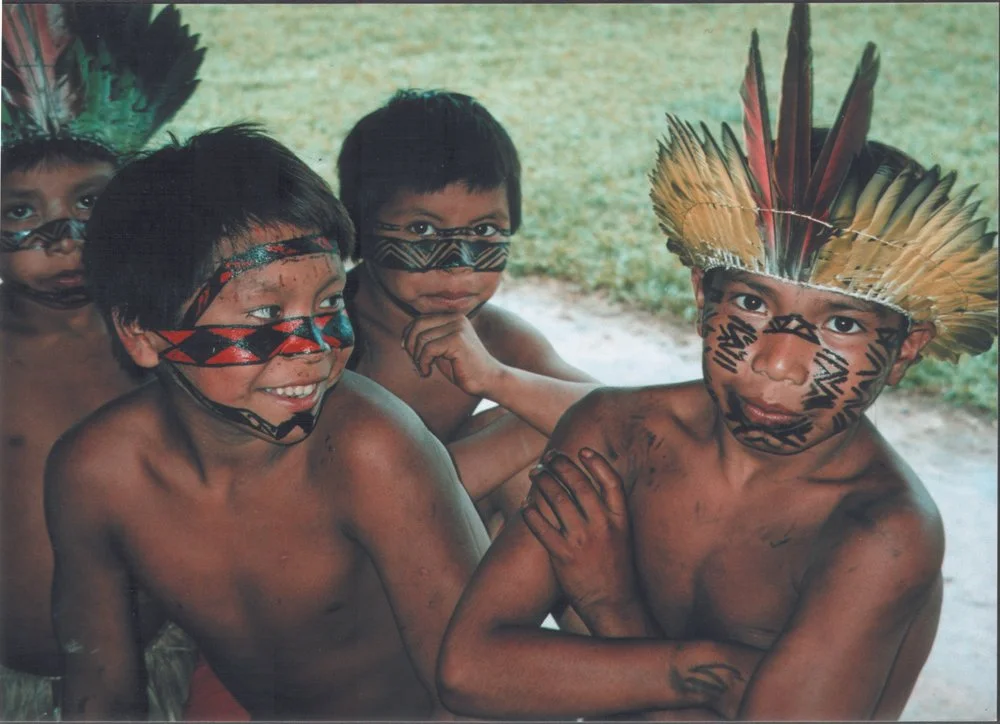
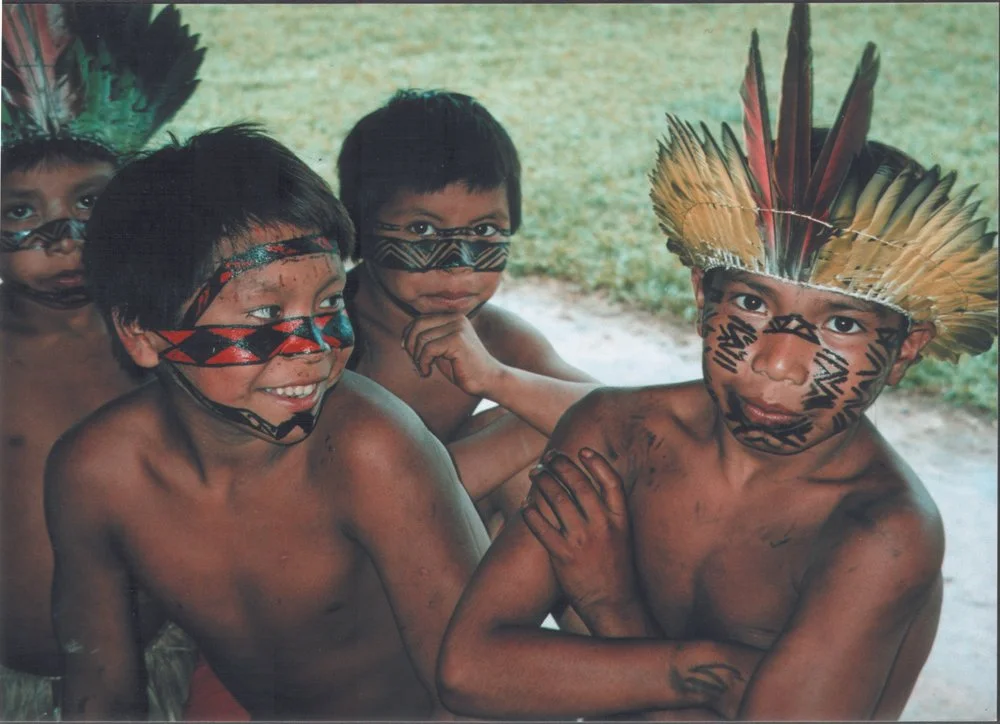
Yawanawa children
Could you give us a few examples of the different sorts of people and their different skills who are drawn to support your reserves and projects?
Over our 33 years we have worked with a great variety of people, who have supported us in an equally great variety of ways. This includes indigenous leaders, leading ecological and conservation scientists, business leaders, accountants, lawyers and television presenters.
This diversity brings an impressive variety of skills, for instance scientists bring analytical insight and television personalities innately understand communicating our message to the wider public, whilst business leaders have helped connect us with corporate supporters and raise great sums of money for conservation projects. We are always keen to discuss collaborations and partnerships with new people.
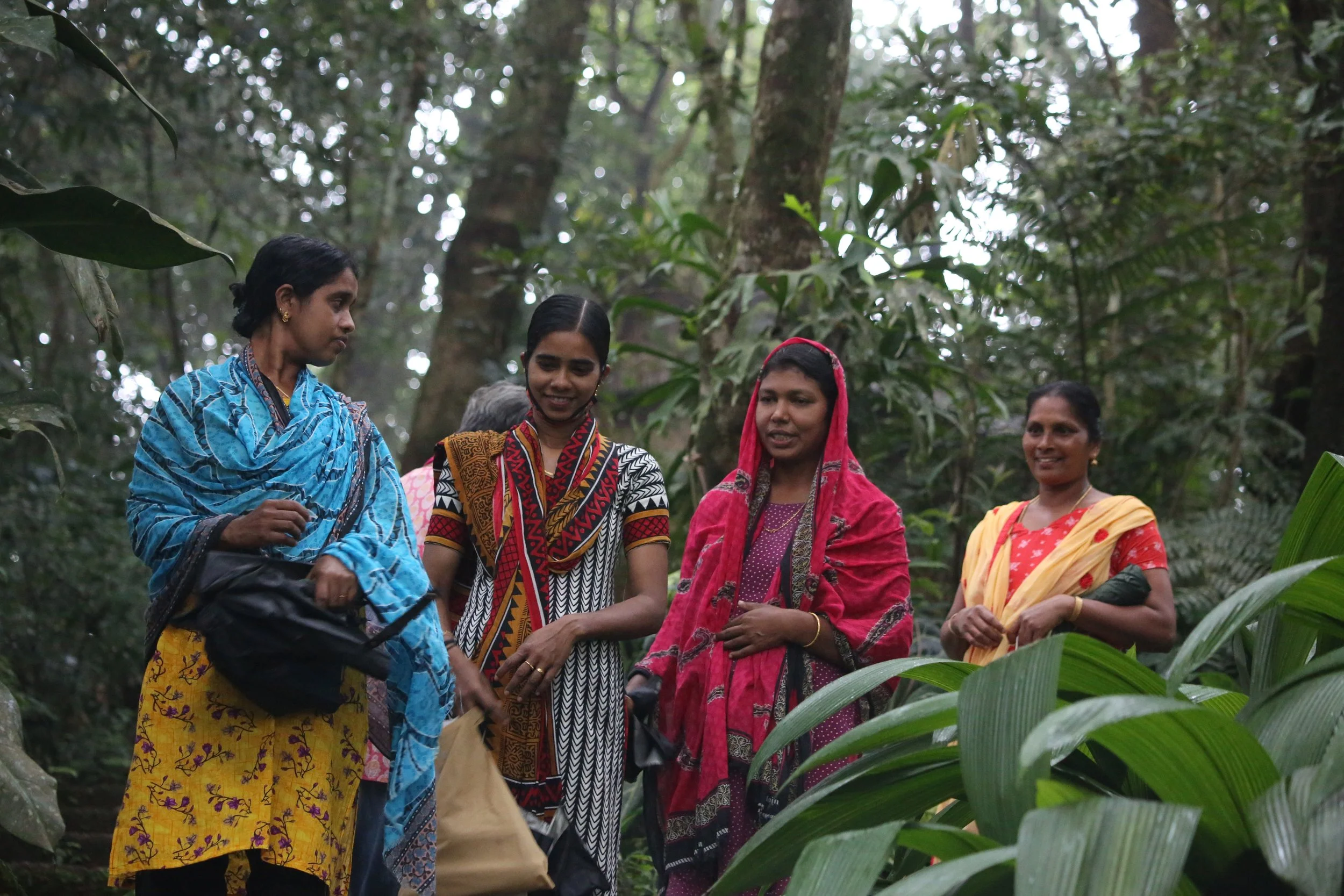
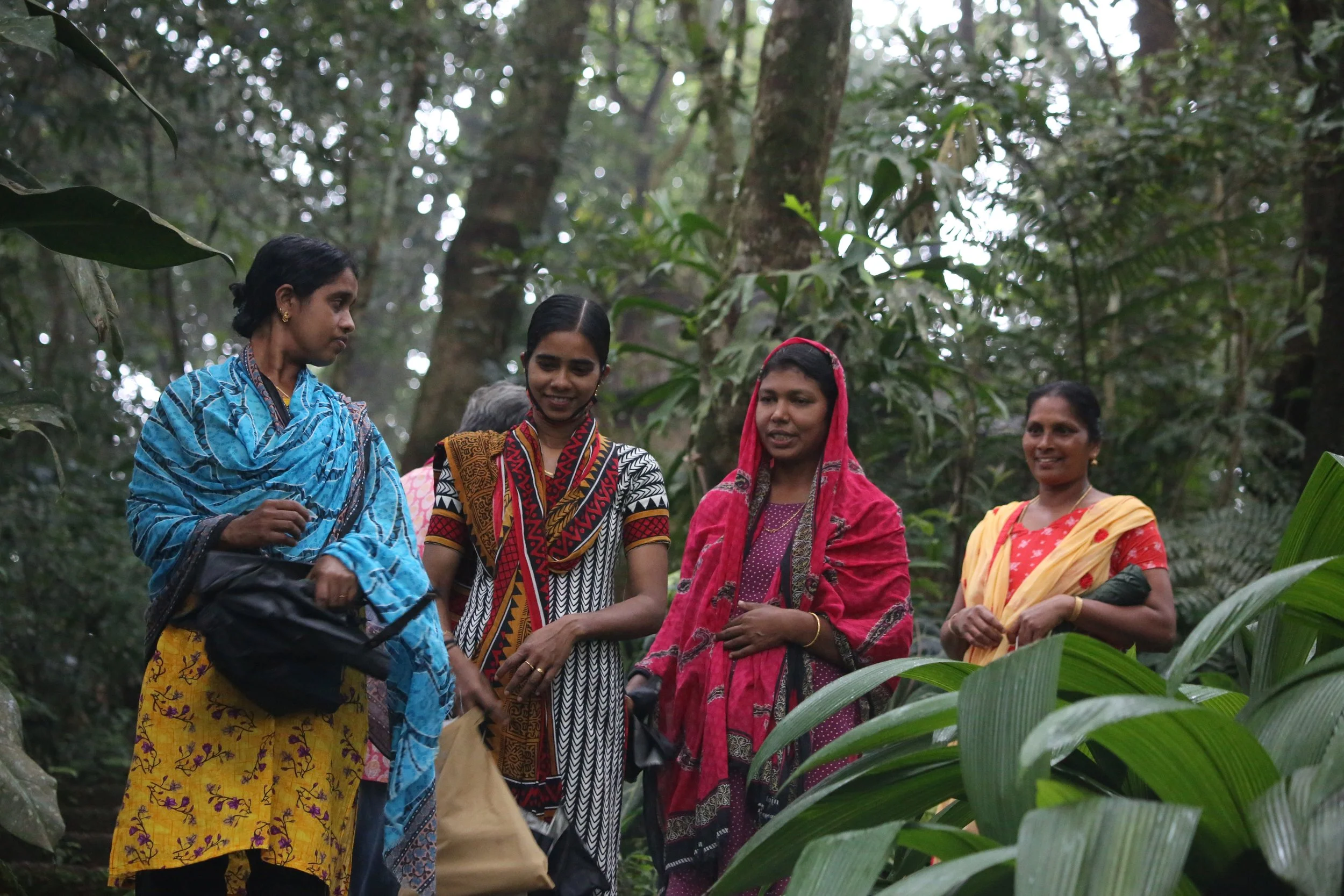
GBS gardeners arrive in the morning copy
Rainforest Concern has been very active in the field of environmental education. Could you give us an idea of the scope of your past activities in this area, and any plans to develop it?
Our environmental education work falls into two categories: for the public here in the UK, and for communities local to conservation targets.
In the UK, we have run school visits for decades, to help primary school students understand the importance of rainforests and conservation. We have also hosted public events, reaching hundreds.
We have an ongoing project in Colombia where educators travel to remote rural schools to teach hundreds of children about their neighbouring natural habitats. Similarly rural Ecuadorian and Costa Rican children learn about the environment as part of Rainforest Concern projects, in Ecuador in and around our Neblina Reserve and in Costa Rica with our partners at Reserve Selva Bananito and the Jaguar Rescue Centre.
Sessions have also been held for adults, which are well attended. In Costa Rica our partners at Selva Bananito have run sessions with the local police department, helping officers understand how to recognise illegally logged wood and signs of poaching. We are always keen to support education missions complementary to our conservation objectives.
For young people with the drive to address climate change and biodiversity loss, how do you channel that energy and support that drive, and where are the best opportunities for them to make a difference in your field of work?
For young people in the UK who are yet to go to university, get into a meaningful volunteer position alongside your sixth form studies and learn as much as you can. If you remain set on conservation as a career, take a university or college course in biology, ecology, conservation or geography, and pick relevant modules.
Critical thinking and scientific rigour are skills/habits that must be fostered, particularly in the conservation space. Fundraising is a universal skill valued by NGOs but rarely formally taught; identify opportunities to get involved whilst in secondary and tertiary education. We are extremely supportive of students who want to fundraise for our conservation projects at their institutions - this is fantastic for their CVs and of course for us. Conservation organisations are looking for these skills, plus relevant experience and demonstrations of enthusiasm.
For those who already have a degree and want to move into conservation from a more corporate career, you already possess extremely relevant transferable skills. Ex-businesspeople can make extremely effective conservationists as they possess innate understanding of the internal workings of businesses; who and how to approach them about partnerships, how to foster collaboration etc.
We encourage everybody to try, and we welcome conversations with enthusiastic aspiring conservationists.
In many ways, the reserves speak for themselves, but in case nobody else gets round to it, we would like to thank you and all those involved in establishing and maintaining them, for these huge contributions to preserving habitats and biodiversity for future generations.
Should you wish to learn more about Rainforest Concern’s work, please visit their website or contact them at info@rainforestconcern.org
Thank you to Peter & Xavier for sharing the fantastic photos, there are so many amazing shots we decided to put the gallery below to let people scroll through in their own time. Photos by Carolina Brown, Murray Cooper, & Nick Charlesworth