Reading List for 2026
As we begin the year, we thought we’d put together a shortlist of climate, nature, and environment-related books that The Borrowed Earth Project recommend you add to your reading list for 2026.
Recommendations from Ed Wilson:
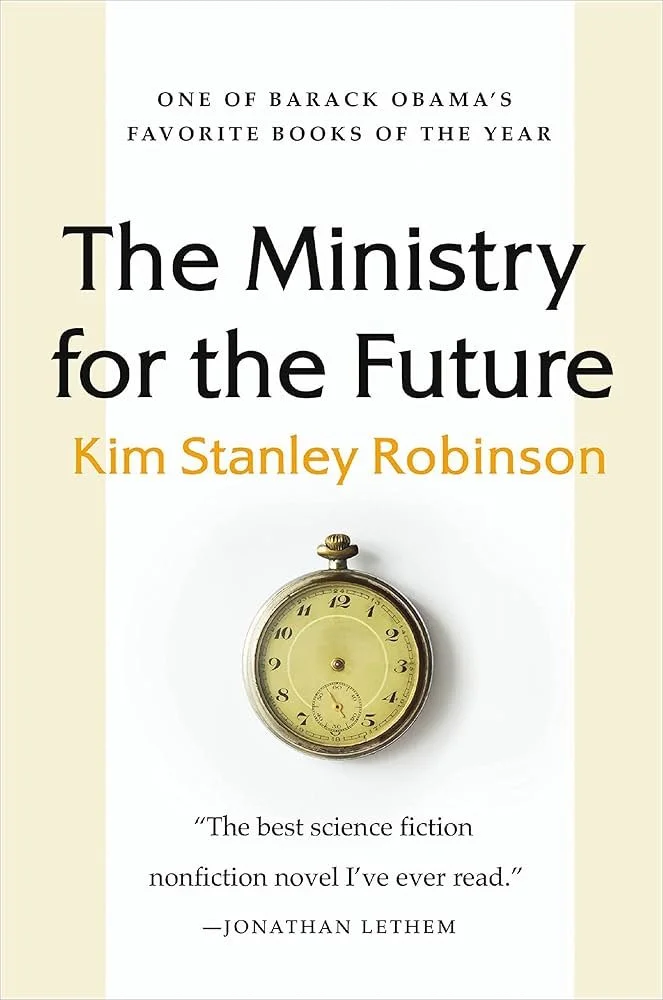
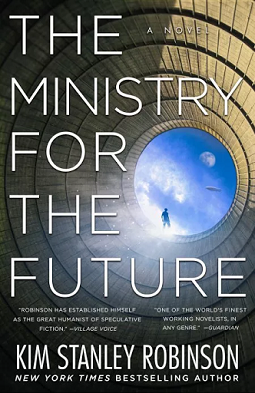
Ministry for the Future - Kim Stanley Robinson
The first haunting chapter of Stanley Robinson’s 2020 climate sci-fi novel is a haunting description of a heatwave in India at some time in the near future. Where the temperature and humudity exceed the wet-bulb temperature that humans can survive. From there the novel tells a story about how a new UN body the “Ministry for the Future” is set up and proceed to try and tackle climate change. While I’m not in complete agreement with all the solutions he comes up with in the book, its an interesting excercise to think through what an alternative future might bring for us if we don’t tackle climate change, and what it might look like if we do.
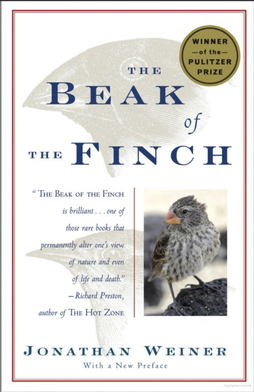
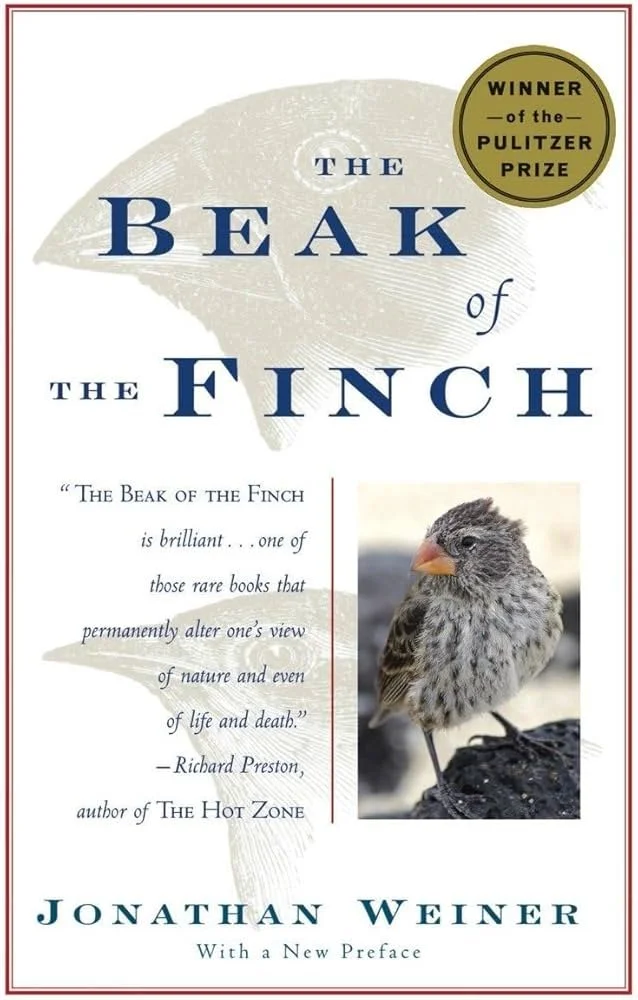
The Beak of the Finch: A Story of Evolution in Our Time - Jonathan Weiner
This 1994 book won the Pulitzer Prize the year I was born, in 1995, and I picked it up during my travels to The Galapagos Islands last July and barely put it down all trip. It tells the story of two Princeton University evolutionary biologists, Peter and Rosemary Grant, who watched, and recorded, evolution as it was occurring among the very species of Galapagos finches that inspired Darwin's early musings on the origin of species. It includes some of the best explanations I have read about how evolution works, and how these extraordinary people discovered you could actually watch evolution happen in real time, if you watched nature very closely, and were willing to work on a barren rock in the middle of the Pacific for months at a time.
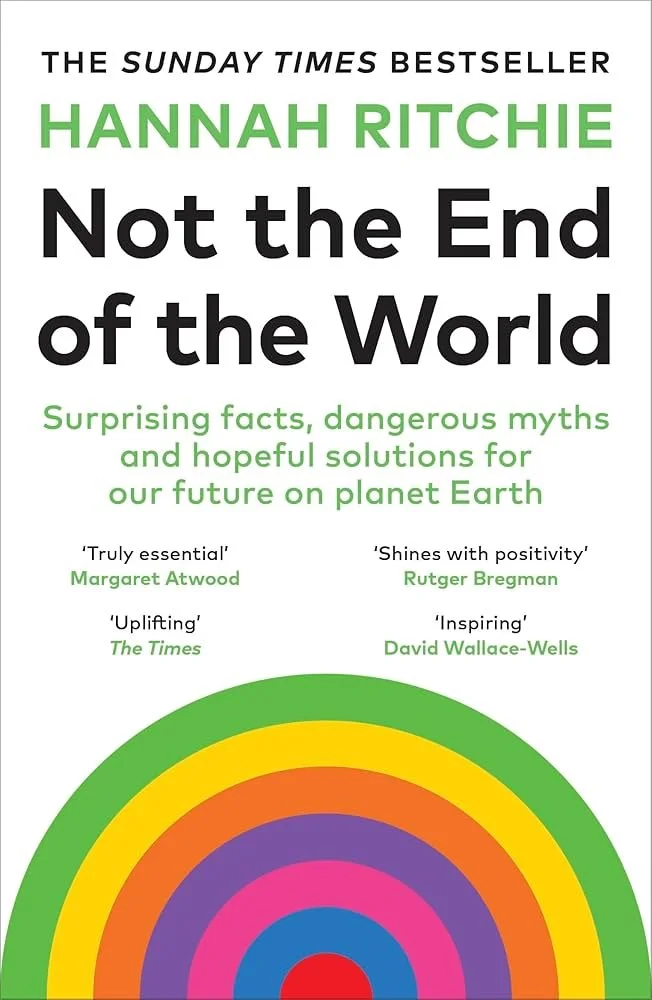
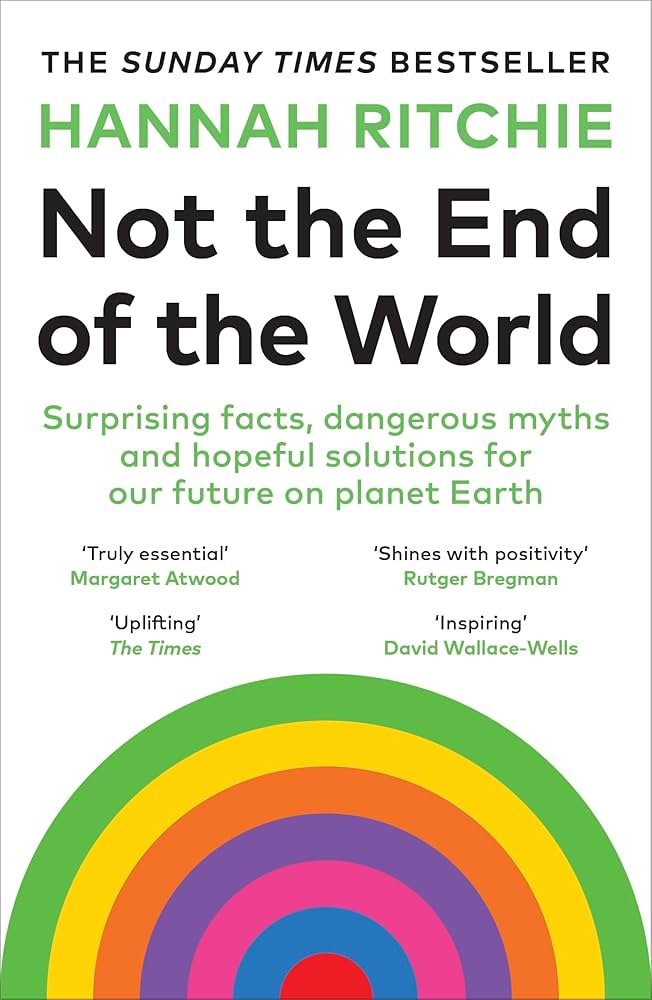
Not the End of the World: How We Can Be the First Generation to Build a Sustainable Planet - Hannah Ritchie
This 2024 book by one of the lead reaserchers at Our World in Data, Hannah Ritchie, takes a more optimistic look at some of the long term trends for humanity that we sometimes miss, such as child poverty and food scarcity. Worth a read if you find yourself tending towards the “doomed” end of the spectrum of views about our future, even to challenge a few of our presumptions.
Recommendations from Sam Wilson:
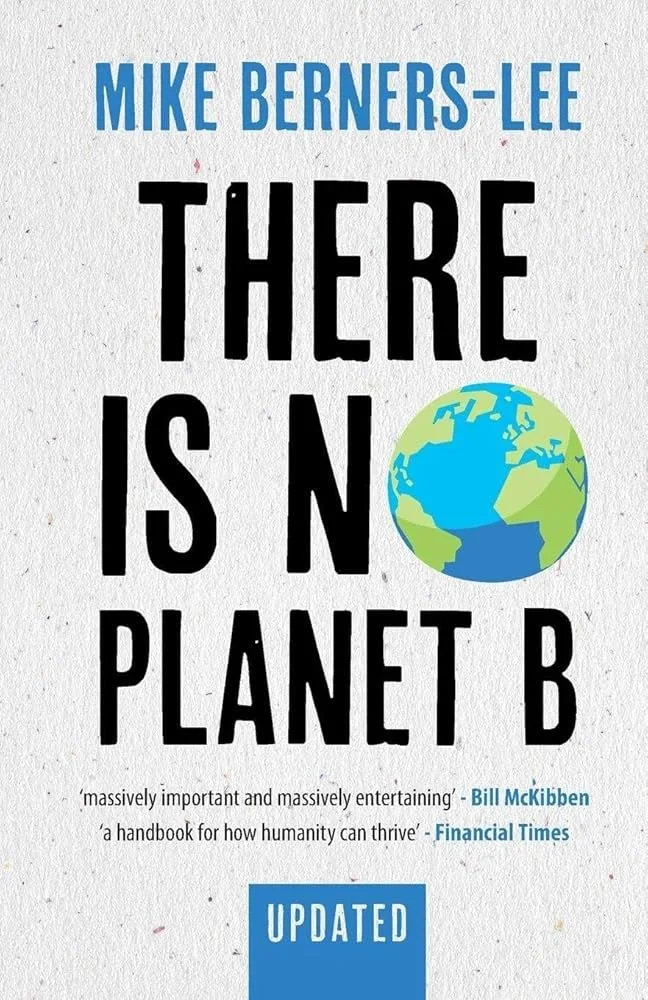
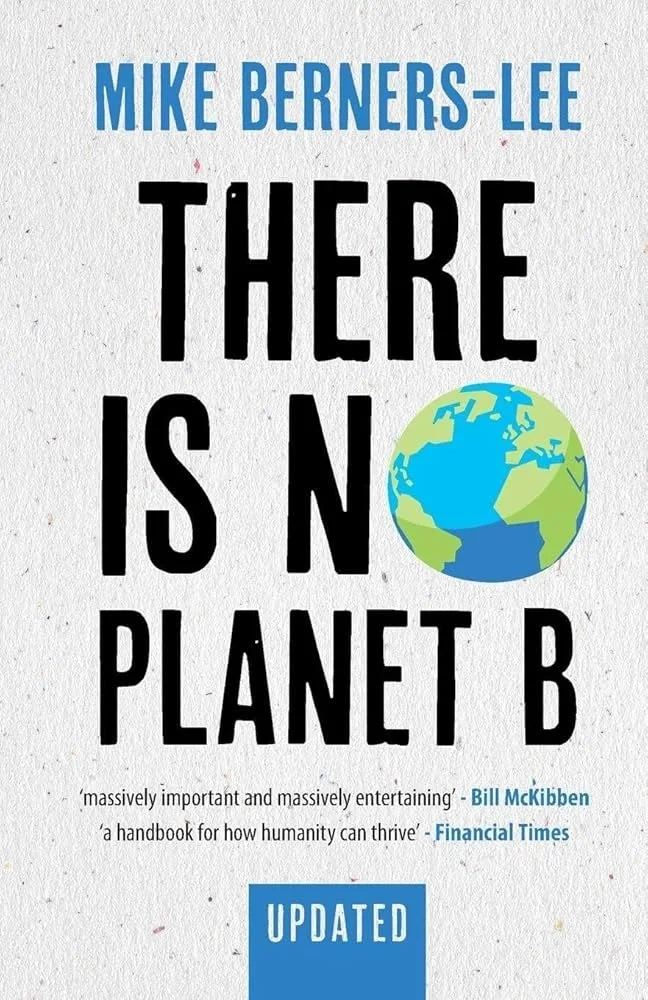
There Is No Planet B: A Handbook for the Make or Break Years - Mike Berners Lee
Published in 2019, we recommend this, not just for its critique, but for its message of a positive environmental future.
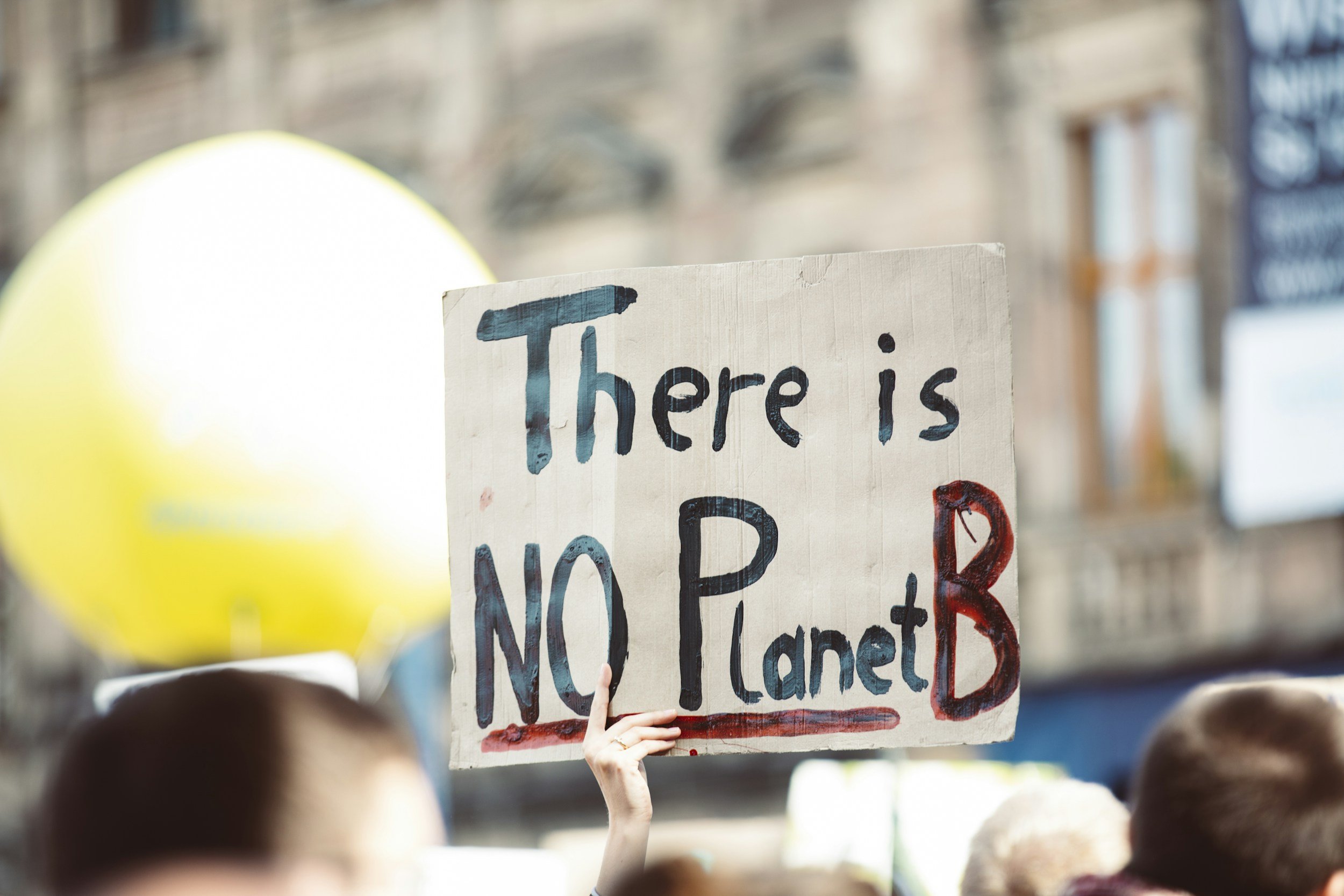
The title has become a rallying cry at climate marches and protests .
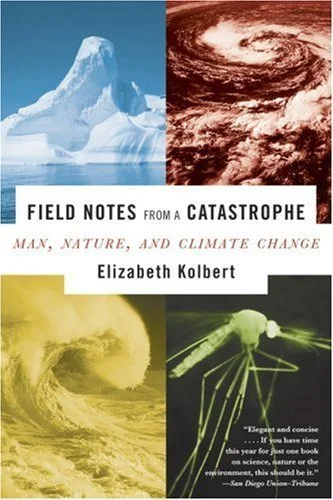
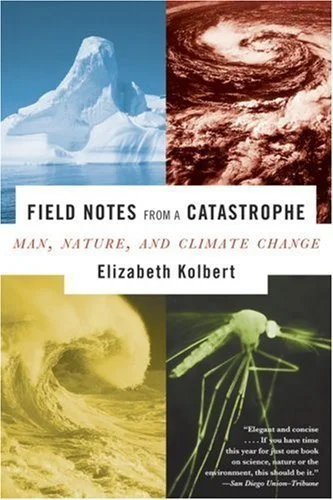
Field Notes from a Catastrophe: Man, Nature, and Climate Change - Elizabeth Kolbert
This 2006 book is a classic and really brings to life the scientists behind the climate science.
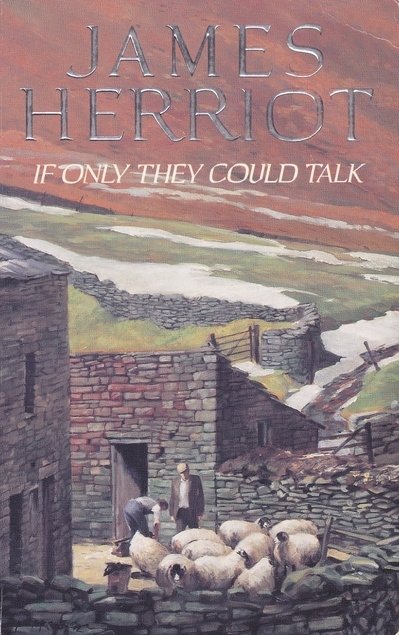
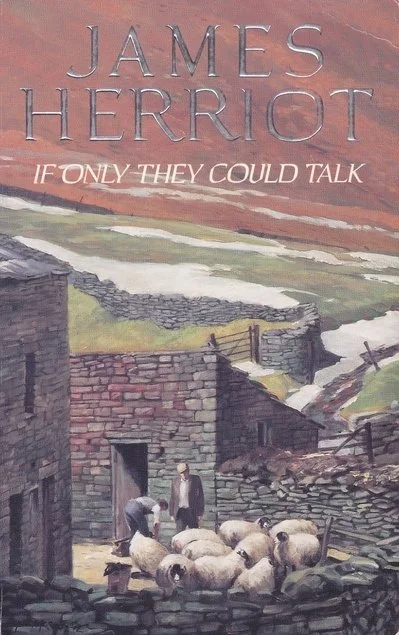
If Only They Could Talk - James Herriot
This 1970 book details a Yorkshire vets early experiences, and is a funny and delightful account of an outdoors life surrounded by animals
Recommendations from William Wilson:
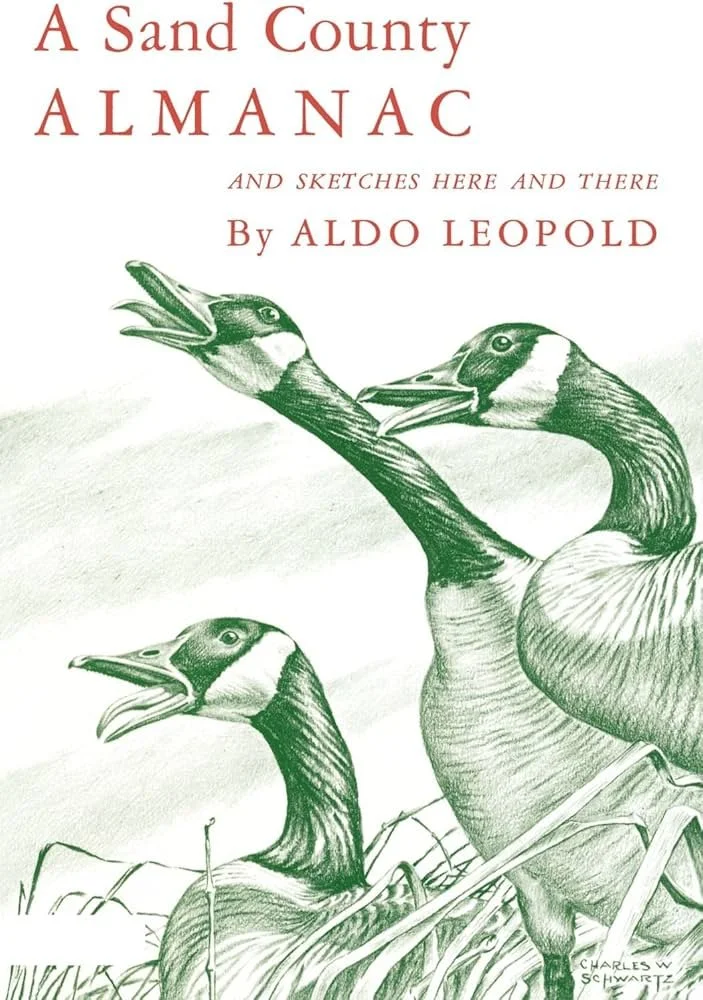
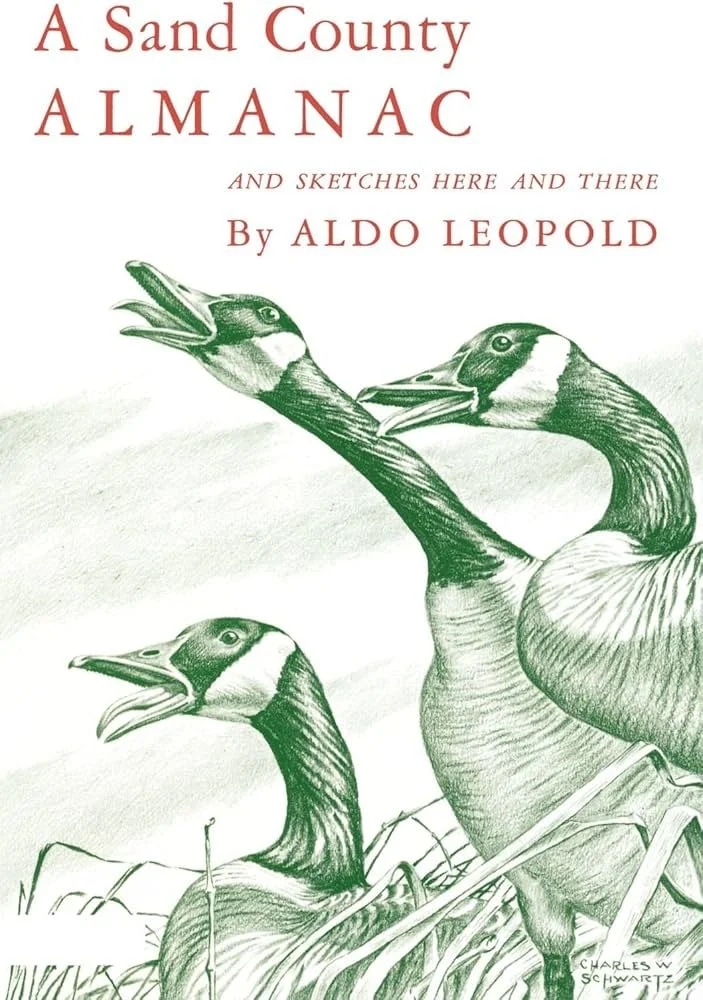
A Sand County Almanac and Sketches Here and There - Aldo Leopold
This 1949 classic has reflections on nature, brilliantly written and observed.
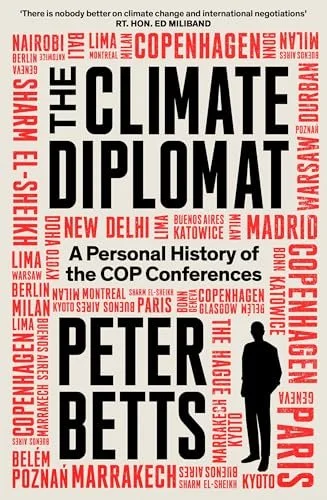
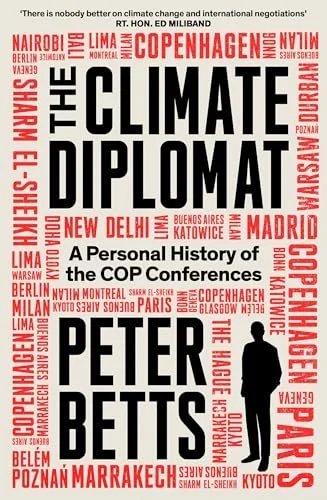
The Climate Diplomat: A Personal History of the COP Conferences - Pete Betts
This is a technical tour de force from the UK and EU's lead climate negotiator, written as he was dying from a brain tumour. Recommended for any future climate negotiator.
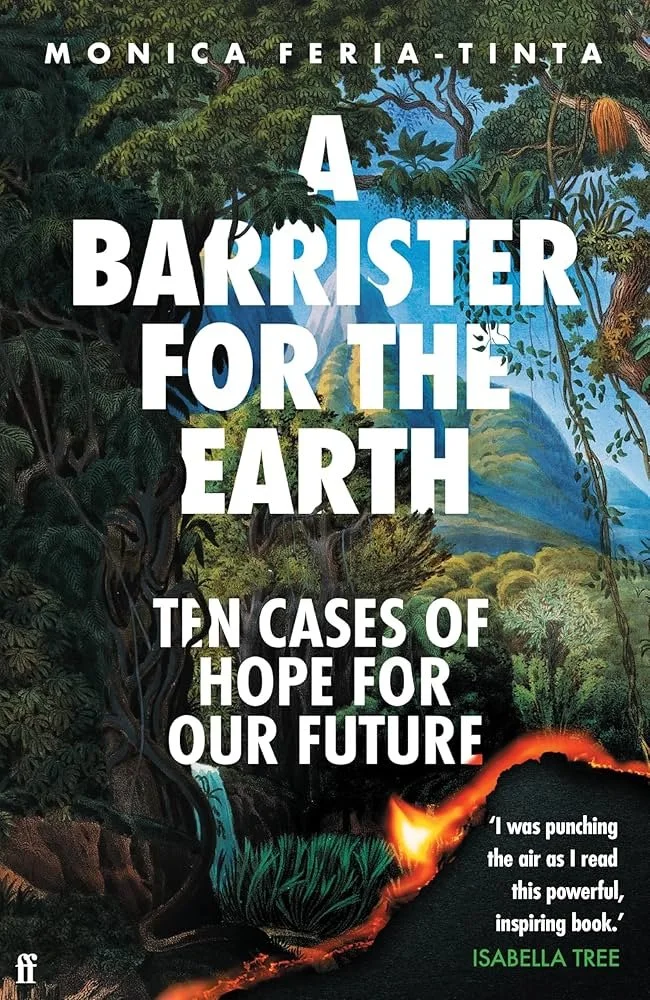
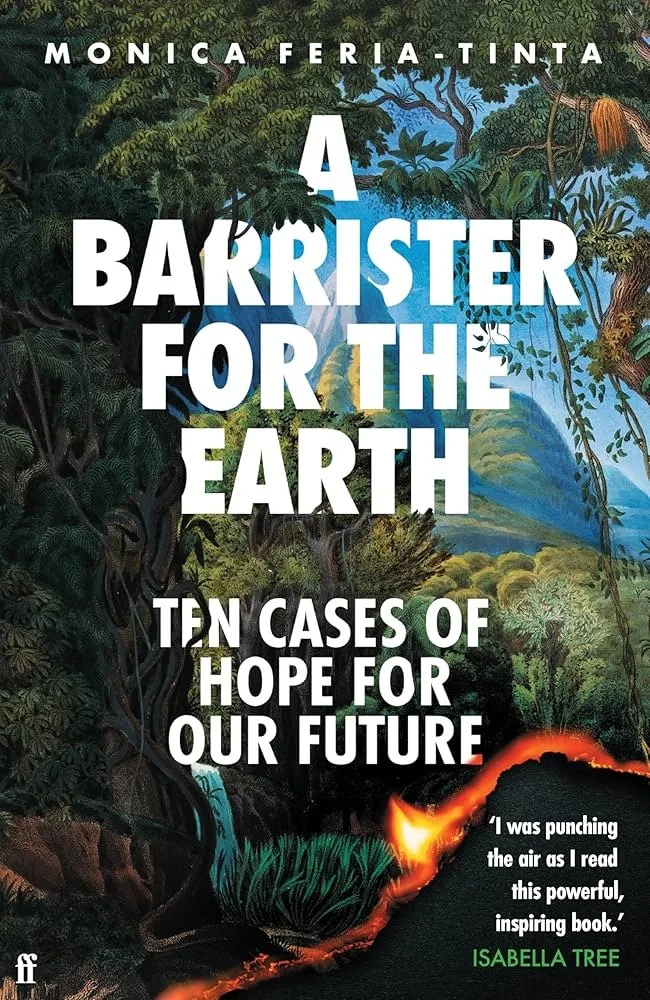
A Barrister for the Earth: Ten Cases of Hope for Our Future - Monica Feria-Tinta
Published in 2025, this book contains 10 case studies from the front line of ground-breaking international environmental law, bashing out new principles to protect nature and indigenous peoples.
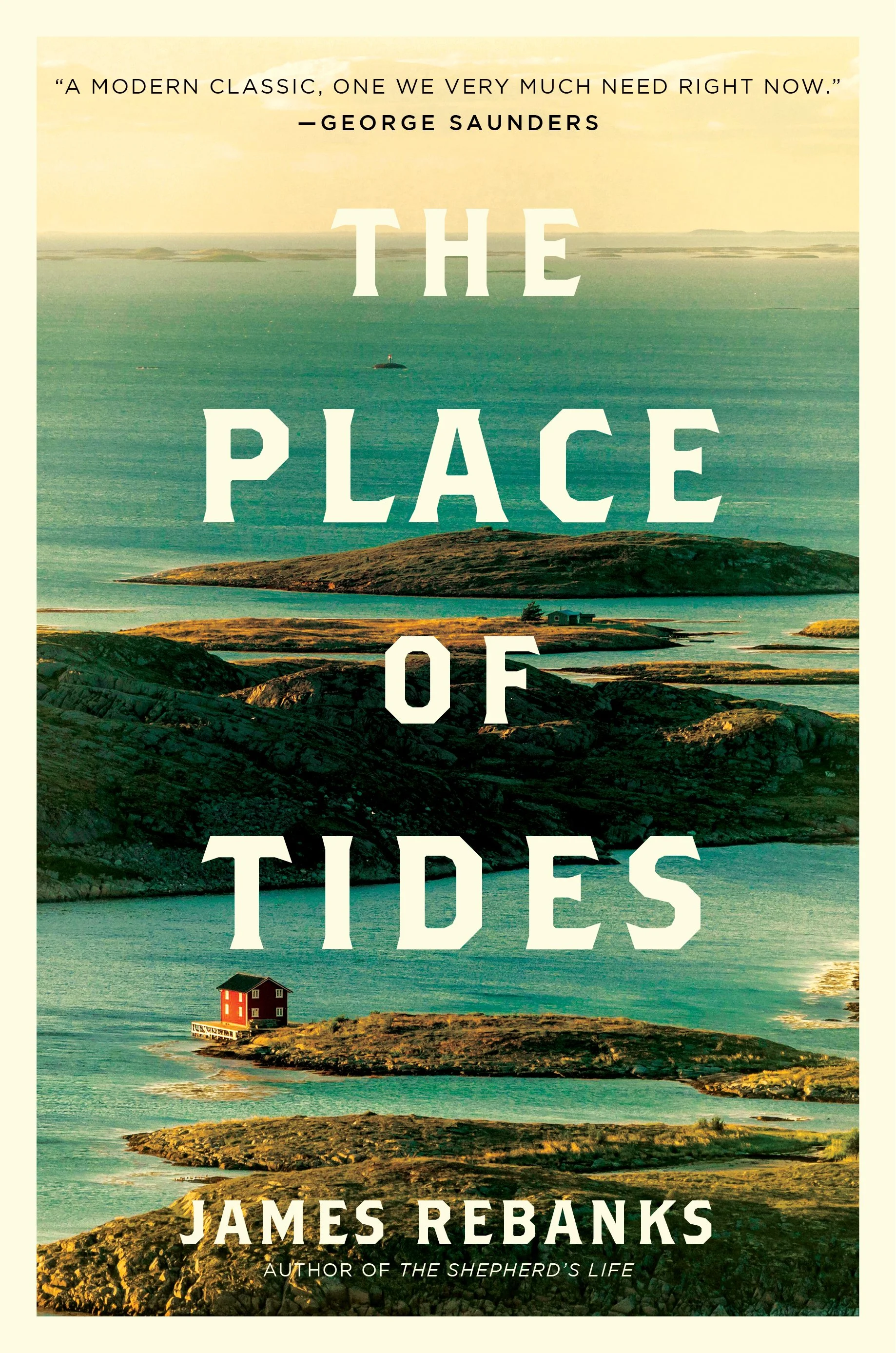
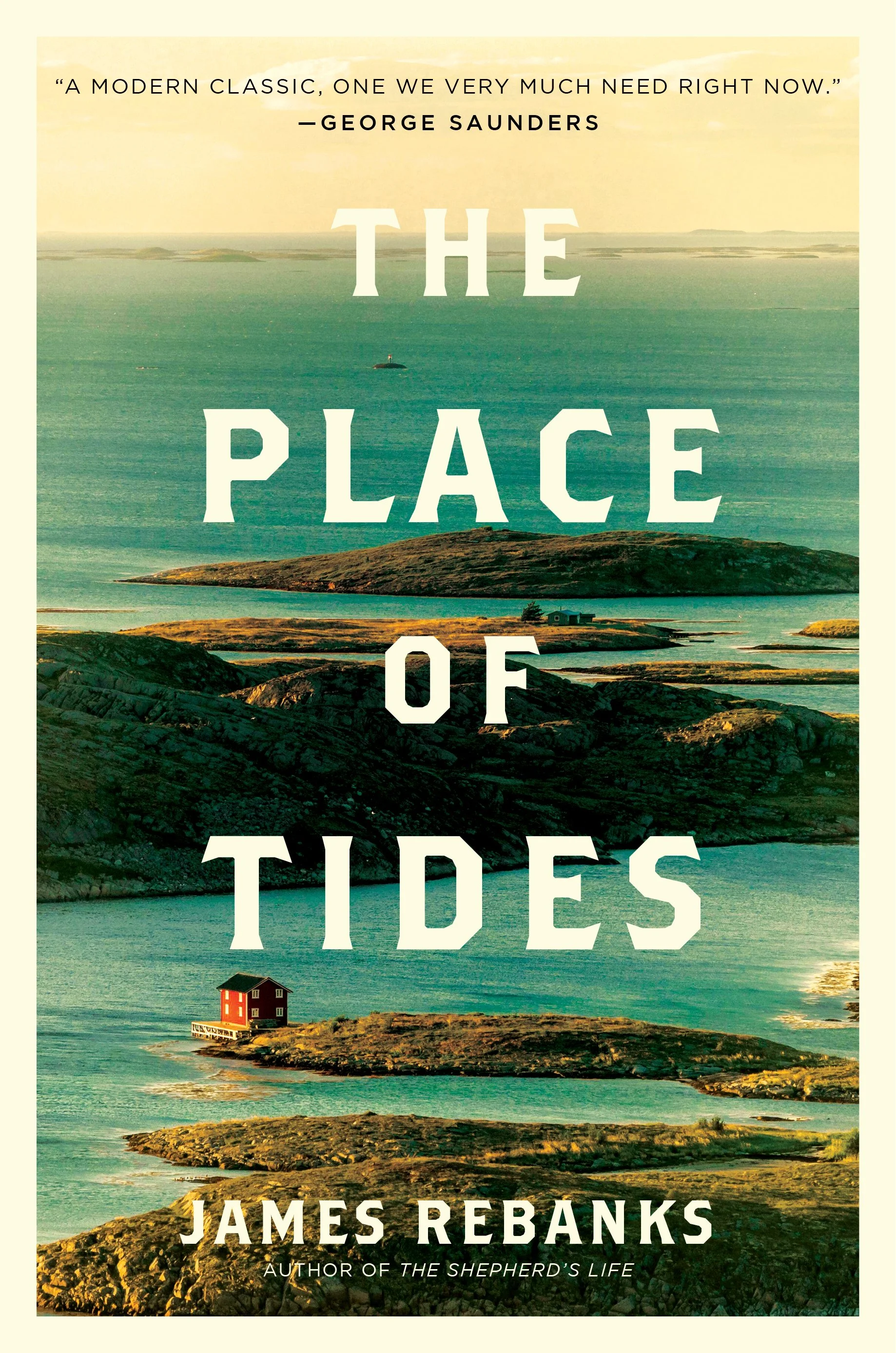
The Place of Tides - James Rebanks
Rebanks is a shepherd and writer from Cumbria. This 2024 book is an extraordinary account of a summer spent on a remote island off Norway with women holding on to their old tradition of gathering eider down. A reflection of the value of tradition and its relationship to stewardship of land and sea.
And one bonus:
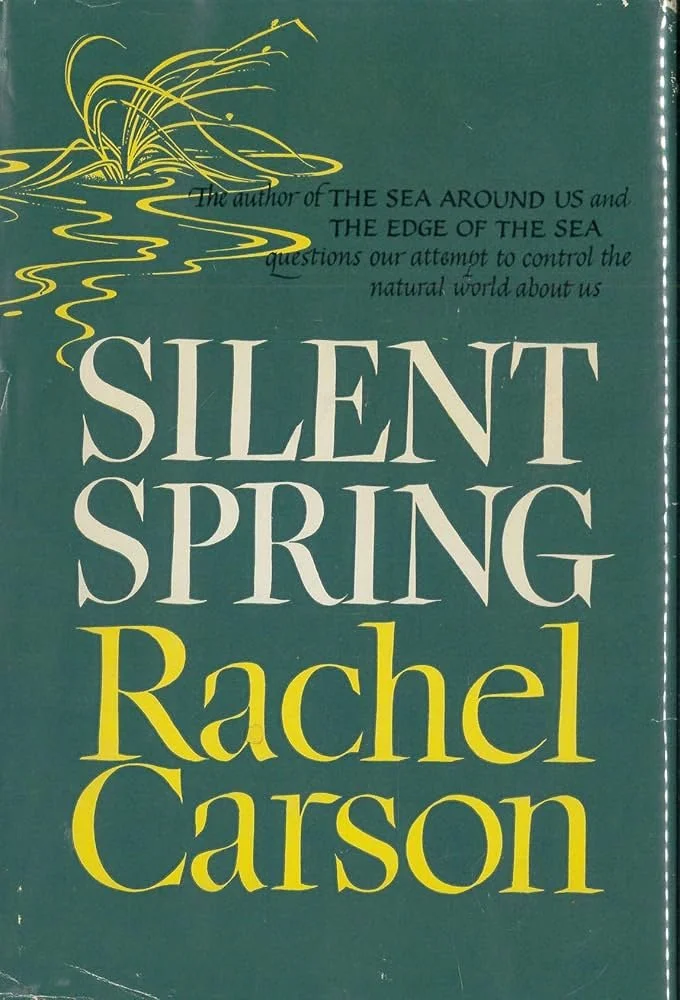
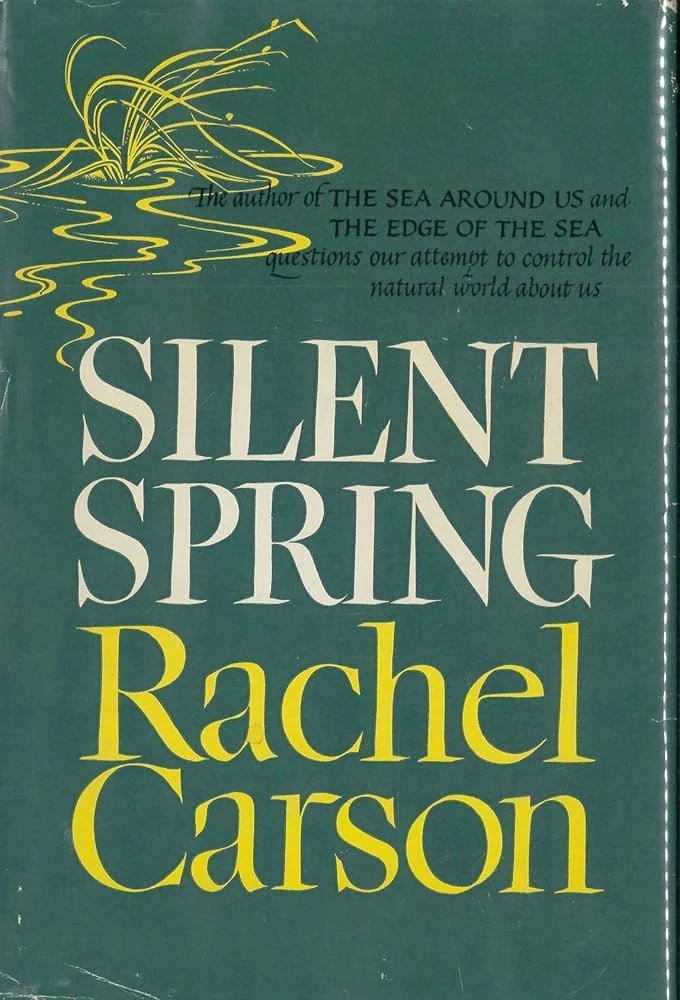
Silent Spring - Rachel Carson
One of the best and most influential books on environment evervwritten, a landmark for the whole environmental movement. Our full review of the book, and small biography of Carson can be found in this blog.